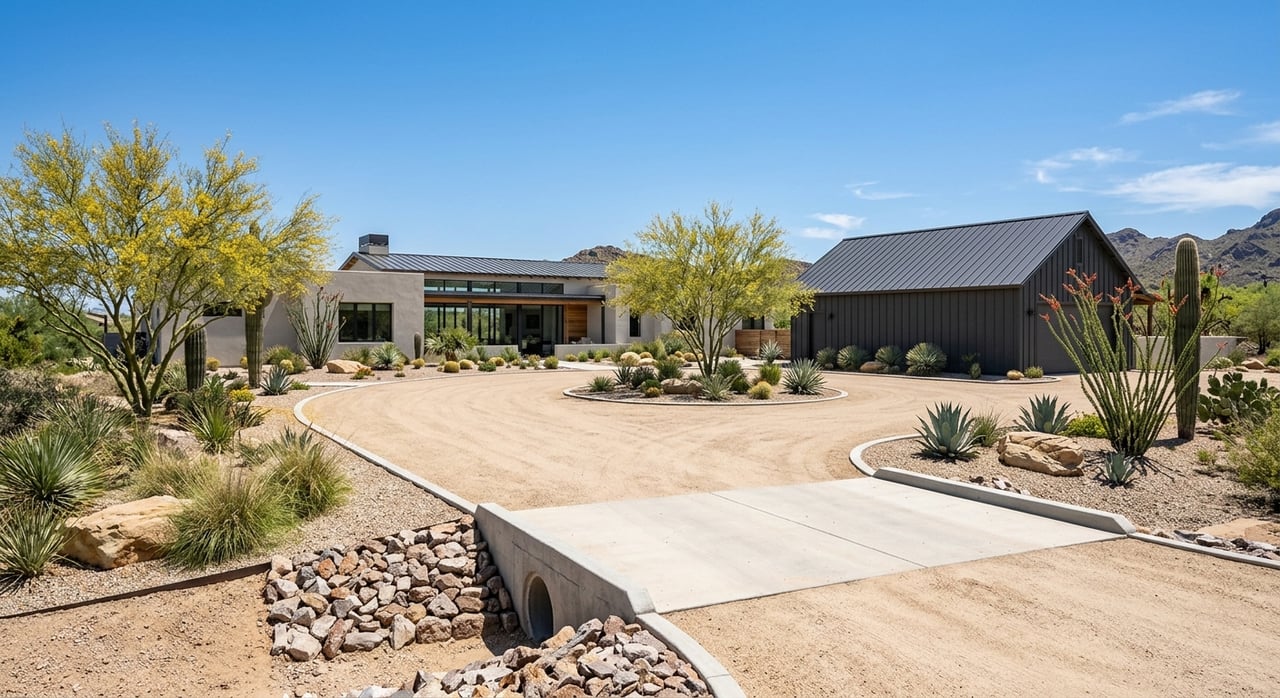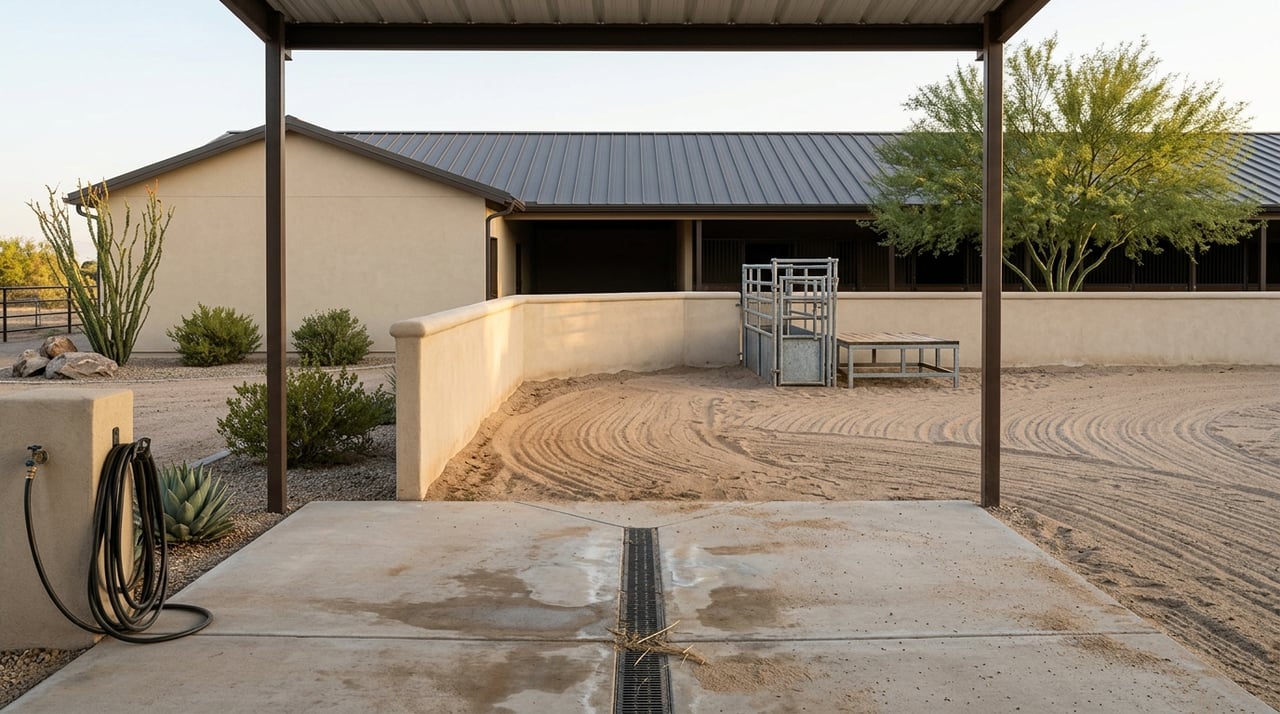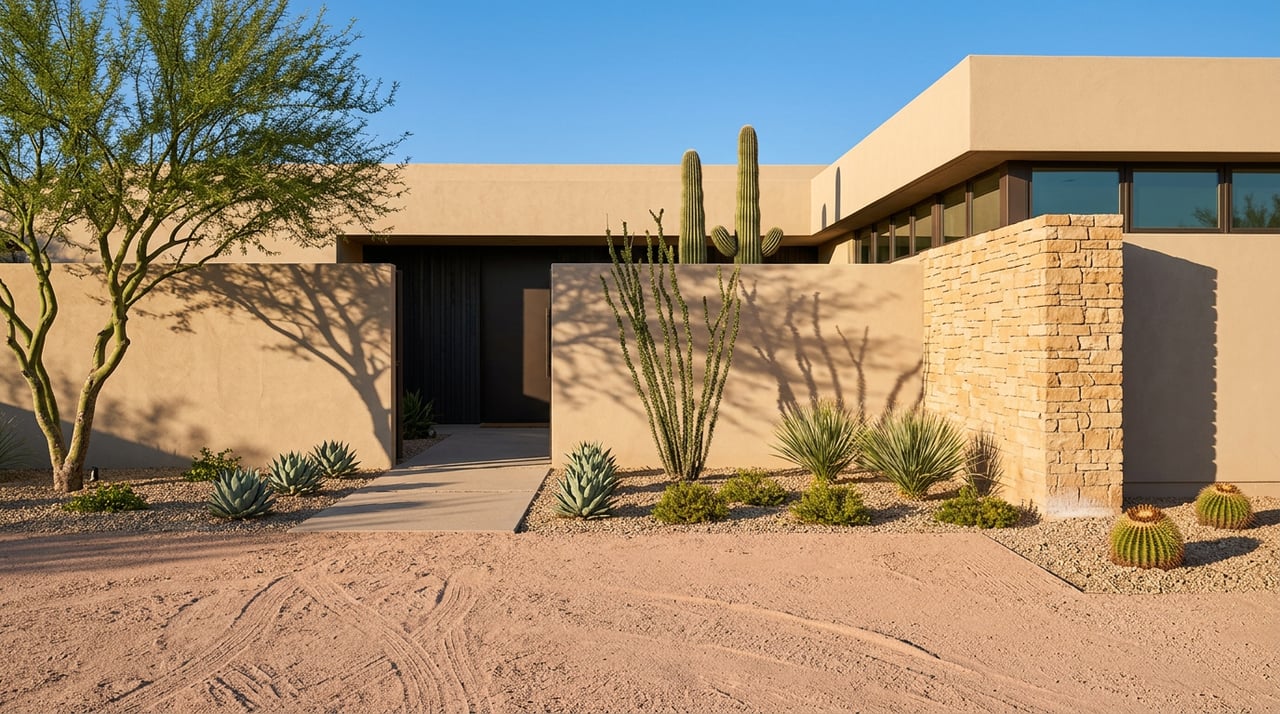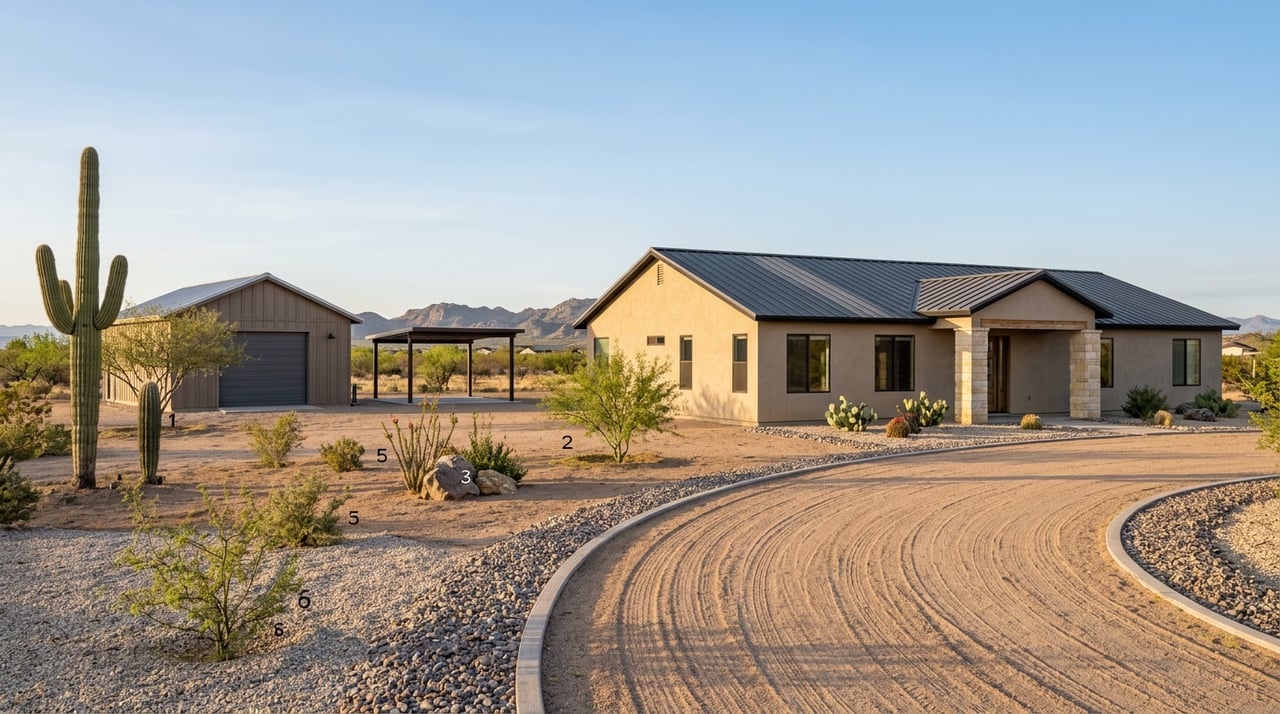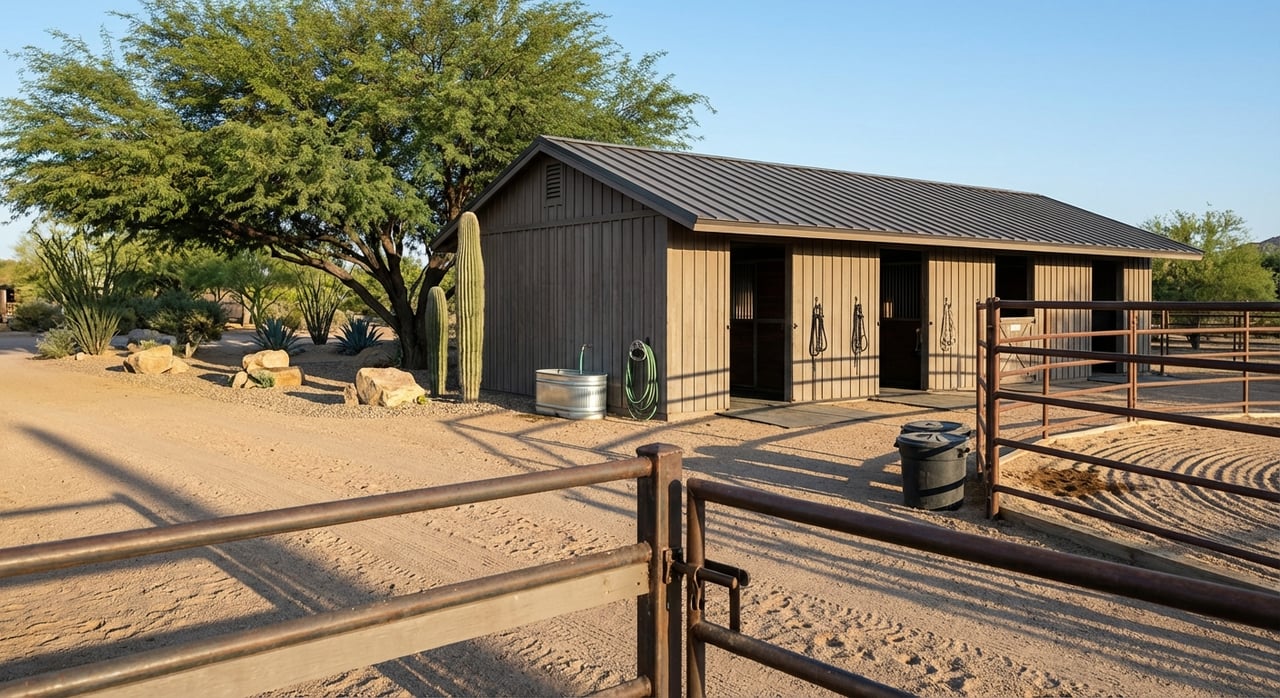
Sunrise hits the saguaros, your horses nicker from the paddock, and the desert air feels cool for a few precious hours. If you are picturing that scene on your own Cave Creek acreage, you are not alone. Many riders choose this corner of the Sonoran Desert for its everyday rhythm: simple morning chores, trail rides from nearby trailheads, and quiet evenings under big skies. In this guide, you will see how a typical day flows, what the land and zoning mean for your setup, and the practical logistics that make life work here. Let’s dive in.
Cave Creek setting and zoning basics
Cave Creek is known for preserved open space, public parks, and a visible equestrian culture. The town’s trail network connects neighborhoods to public lands and local parks, which is part of the lifestyle many buyers seek. You can explore current routes and access points on the Town’s official trails page.
Most horse properties sit in Desert Rural zoning categories. The DR numbers mirror minimum lot sizes: DR-190 is 190,000 square feet, about 4.36 acres, DR-70 is about 1.61 acres, and DR-43 is about 0.99 acres. These designations shape where you can site barns, arenas, and paddocks. You can confirm lot-size categories in the Town’s zoning archive.
On larger or hillside parcels, development envelopes and disturbance limits can be strict. Some areas allow only small percentages of total lot disturbance and protect washes, cultural sites, and ridgelines. Always check overlays and hillside guidelines in Town documents like this development guidance file when you plan an equestrian layout.
Morning chores and checks
Most days start with quick, consistent routines. You check and refill waterers, feed hay and any supplements, and do a fast stall or run-through muck. You also look at gates, fencing, and hooves so you catch small issues early. In hotter months, you may shift turnout and rides to the cooler hours.
Expect a single horse’s morning routine to take roughly 20 to 45 minutes, depending on how much cleaning you do and how many horses you keep. If you board, barn staff usually handle feeding, turnout, and stall care, which changes your time commitment. Extension resources offer helpful care basics for daily routines and horse health, like Oregon State’s horse project guide.
Midday rides and trail access
Riders in Cave Creek often aim for early morning or late afternoon rides to avoid midday heat. You have great options nearby: Cave Creek Regional Park has designated equine staging and multi-hour trail loops, and Spur Cross Ranch Conservation Area offers scenic desert routes. The Town’s multi-use connectors help you link from local streets to these systems. For park details and trail etiquette, see the County’s page on horseback riding in Cave Creek Regional Park.
Some properties back to wash corridors, State Trust parcels, or neighborhood connectors that make it easy to “ride out.” Others require a short trailer haul to a public trailhead. When you evaluate a listing, confirm whether trail access is recorded, public, or simply customary and subject to change.
Evening routines and heat plans
Evenings usually mirror the morning, with a second feeding, water top-offs, and a quick check of hooves, legs, and tack. In fly season and during heat spikes, you add fly control and extra stall clean-ups. Consistent twice-daily checks are important in the desert so you can spot hydration or hoof issues early. The OSU horse project guide reinforces these basics and is a solid refresher for families and longtime riders alike.
Boarding vs home care
Boarding shifts the heavy lifting to barn staff and gives you built-in arenas, round pens, and a social riding community. Many Cave Creek facilities include daily turnout and stall cleaning as part of standard packages. For a local snapshot of services and offerings, review a facility page like JD Ranch’s boarding overview.
Keeping horses at home gives you full control of feed, turnout, and daily rhythm, but you own the infrastructure. Plan for safe fencing, a barn or covered runs, hay storage sized for several months, a tack room, manure handling, and a reliable water source. On larger or hillside lots, zoning and disturbance rules will shape where you place arenas, paddocks, and storage. The Town’s zoning archive is the best starting point for parcel-level constraints.
Feed, water, storage basics
Hay needs are simple to estimate. Most mature horses eat about 1.5-2% of body weight per day. For a 1,000-pound horse, plan 15-20 pounds per day, which is roughly 3.3-3.7 tons per year on the low end. Minnesota Extension explains the forage math clearly in this ration guide.
Water is critical in the desert. An adult horse often drinks 10-12 gallons per day at rest and more in hot weather or under saddle. Automatic waterers are convenient, but many owners still use buckets or tubs so they can watch intake. Oregon State summarizes daily needs and barn-care tips in its horse project guide.
For storage, plan a clean, dry, rodent-resistant space that can handle several months of hay. Delivery minimums and seasonal price swings are common in the North Valley. Local listings for tack and feed suppliers can be found through directories like Yellow Pages for Cave Creek so you can compare delivery options.
Vets, farriers, supplies network
The north Phoenix corridor supports a strong equine network. You will find ambulatory vets, specialty sports medicine, and at least one local veterinary hospital. Response times and coverage areas vary, so confirm which practices serve your specific address. A good place to start is the team page for Chaparral Veterinary, then build your shortlist of ambulatory providers.
Most horses see the farrier every 6-8 weeks for trims or shoes. Scheduling fills quickly in winter season, so set your calendar reminders early. For farrier tools, nails, and pads, local suppliers and farrier shops in Cave Creek and Scottsdale can help; browse options through local farrier and tack listings.
Property siting and constraints
Designing a functional, compliant layout starts with your parcel’s rules. Confirm the DR category and any hillside or wash overlays, then map your development envelope. On some DR-190 hillside parcels, disturbance percentages are low, which affects where you can place barns, arenas, and manure storage. Town documents address these limits and environmental protections in files like this development guidance.
Manure handling matters in the desert. Without crop fields for spreading, many owners choose composting or regular removal. Keep setbacks from washes and drainage paths, and plan for stormwater so you protect nearby open space and conservation lands. Your due diligence should include floodplain and wash maps in addition to zoning reviews.
Commute and services context
Part of Cave Creek’s appeal is access without losing the country feel. Depending on route and traffic, you are roughly 30-45 minutes from central Phoenix. You can check general drive times using a resource like Travelmath’s city route tool. For daily life, that range supports appointments, feed runs, and vet referrals while keeping your home base quiet and spacious.
Buyer checklist for Cave Creek
Before you write an offer, verify these items so your everyday setup works from day one:
- Zoning designation and minimum lot size, plus any hillside or wash overlays. Start with the Town’s zoning archive.
- Water source and reliability: municipal connection or private well, storage, and any conservation systems. Ask for permits and production data in seller disclosures.
- Trail access specifics: legal easements, public trailheads, or neighborhood connectors. Review the County’s horseback riding page and the Town’s trails map.
- Vet and farrier coverage: confirm who serves the address and emergency response areas. Start your list with regional providers like Chaparral Veterinary.
- Hay and storage plan: estimate annual tonnage using the 1.5-2% rule and confirm delivery options through local suppliers.
- Fire and defensible space: review brush clearance around barns and arenas, especially on sloped lots. See Town development notes like this guidance file.
Living on a Cave Creek horse property is a hands-on, rewarding routine shaped by desert rhythms and access to open land. When your layout, water plan, and service network fit your goals, the day feels simple: cool sunrise chores, a good ride, and a quiet sunset. If you want help aligning properties with your lifestyle and equine needs, connect with Clinton Miller for a confidential consultation tailored to your goals.
FAQs
How much hay should I plan per horse in Cave Creek?
- Most mature horses eat about 1.5-2% of body weight daily, or roughly 3.3-3.7 tons per year for a 1,000-pound horse, based on Extension guidance.
What Cave Creek zoning affects horse facilities on my lot?
- Desert Rural categories set minimum lot sizes like DR-190 at 4.36 acres, and hillside or wash overlays can limit where you build barns and arenas.
Can I ride from my Cave Creek property to public trails?
- Some homes connect to Town trails or nearby lands, but access varies by location; confirm recorded easements or plan to trailer to public trailheads.
What daily chores define horse property life in Cave Creek?
- Expect twice-daily checks for water, hay and supplements, quick mucking, gate and hoof inspections, with ride times planned for cooler hours.
Is boarding common for Cave Creek horse owners in winter?
- Yes, many facilities offer daily turnout, stall care, and seasonal programs; boarding reduces chores but trades some day-to-day control over routines.