If you are getting ready to sell acreage or an estate in Rio Verde, you already know buyers look past the house itself. They want answers about access, water, septic, floodplain status, and whether site improvements were handled correctly. A smart pre-listing checklist helps you organize those details early, reduce surprises, and present your property with confidence. Let’s dive in.
Why Rio Verde Listings Need Extra Prep
Rio Verde acreage does not sell like a typical suburban home. In this part of unincorporated Maricopa County, buyers often study private infrastructure and site conditions just as closely as square footage or finishes.
That means your listing preparation should go beyond cleaning and photos. The more clearly you can document access, utilities, permits, and property condition, the easier it is for buyers to evaluate the opportunity and move forward.
Start With Access
Access is one of the first things serious buyers and buyer agents will ask about. They want to know not only how to get to the property, but also whether access is legal, practical, and dependable.
Arizona's affidavit of disclosure for certain sales in unincorporated county asks directly about legal access, physical access, road maintenance, and floodplain status. That gives you a strong clue about what buyers will want to confirm early in the process.
Confirm legal and physical access
Start by gathering anything that supports how the property is reached. This can include your recorded deed, legal description, parcel number, plat, survey, or any documents that help show the route to the parcel.
You should also be ready to explain whether the road is publicly maintained or privately maintained. If there is a recorded road-maintenance agreement, keep a copy ready for review.
Make gates and driveways easy to inspect
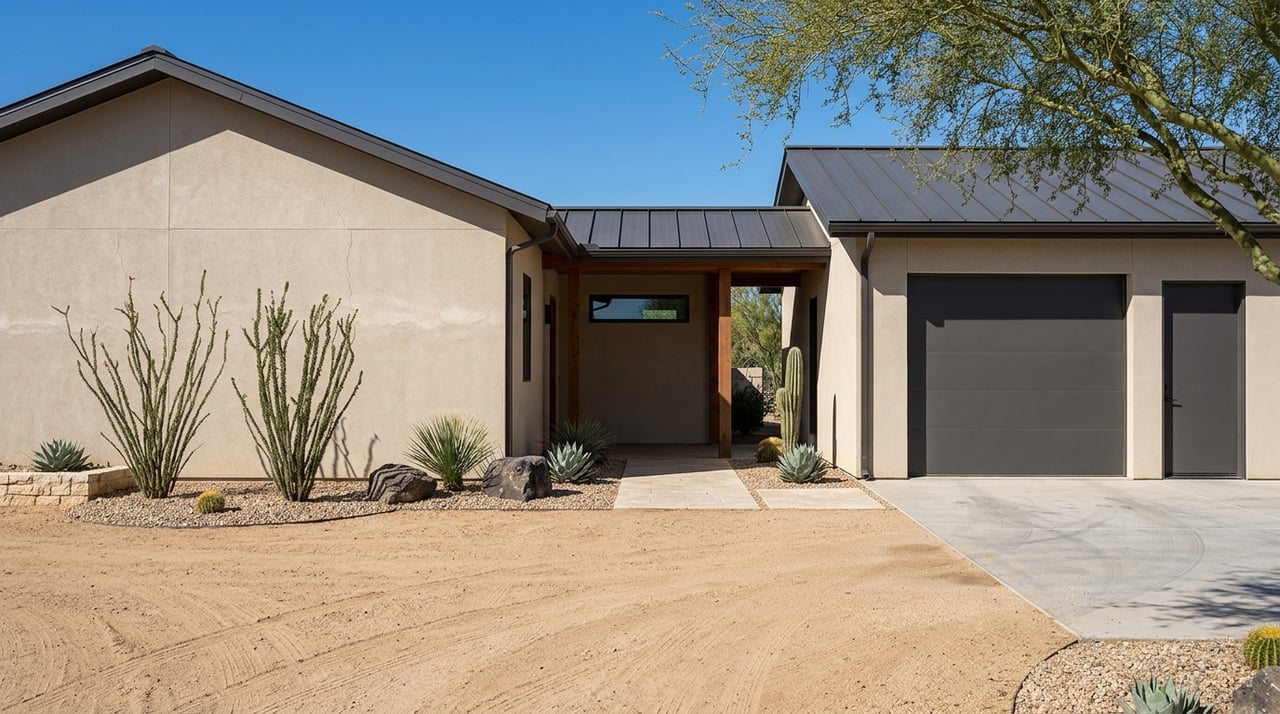
If a buyer cannot comfortably drive in and understand the layout, the showing loses momentum. Clear overgrowth near the entrance, make gates easy to open, and make sure the driveway is passable and presentable.
If you added culverts, grading, fencing, or similar site work, gather any permit records you have. Maricopa County lists several of these items among projects that may require permits in unincorporated areas.
Clean Up the Acreage
Acreage shows best when buyers can easily walk it, inspect it, and picture how they would use it. Clutter and deferred maintenance can make even a strong property feel uncertain.
Your goal is simple: help the land read as usable, maintained, and understandable. That matters even more when a property includes barns, sheds, workshops, tack rooms, or storage buildings.
Remove distractions
Before listing, remove or consolidate:
- Dead equipment
- Junk piles
- Excess brush near key improvements
- Loose materials that make the site feel neglected
- Items you do not intend to include in the sale
A cleaner site helps photography, but it also supports buyer due diligence. People can better inspect fencing, drainage patterns, outbuildings, and access routes when the property is orderly.
Organize outbuildings and support spaces
Buyers will want to know what each structure is for, what works, and what may need attention. Tidy barns, workshops, sheds, and storage areas so their function is obvious.
If you have manuals, repair invoices, or service records for mechanical or permanently installed systems, place them in one organized packet. That makes your property feel better cared for and helps answer practical questions quickly.
Gather Water Information Early
In Rio Verde, water details can influence buyer interest almost immediately. Whether the property uses a private well, shared well, or hauled water, you should have the basics ready before the listing goes live.
Arizona land disclosure materials focus heavily on water supply, and buyers often do the same. If you wait until escrow to sort out missing information, you may lose time and leverage.
If the property has a private well
Gather:
- The well registration number
- The well file, if available
- Any ownership-change forms you have
- Recent well-water test results, if available from a certified lab
According to the Arizona Department of Water Resources, well records are tied to the parcel where the well is physically located, and registry information may lag after parcel changes. That makes early review especially helpful.
If the property uses shared or hauled water
Keep the key details in one place. Buyers may ask who hauls the water, where the water comes from, or whether there is a shared-well agreement.
If a shared-well agreement exists, have a copy ready if possible. If water is hauled, be prepared to identify the hauler and source.
Prepare Septic Documents
Septic systems are another major part of Rio Verde due diligence. A missing inspection or incomplete paperwork can slow a transaction that otherwise looks strong.
Maricopa County requires a qualified inspector to inspect the on-site wastewater facility within six months before transfer. The seller should provide the inspection report and any septic-related documents they have before transfer.
What to collect for septic
Try to assemble:
- The most recent septic inspection report
- Any septic permits or installation records you have
- Repair or service receipts
- A simple note about tank location, if known
Even if your records are not perfect, gathering what you have before listing is still worthwhile. It helps set expectations and keeps the sale process more orderly.
Check Floodplain Status Before You List
Floodplain questions come up often with acreage in unincorporated Maricopa County. Buyers, lenders, and insurers may all look at the issue from slightly different angles.
Maricopa County provides floodplain information through its local tools, and lenders commonly use FEMA flood insurance rate maps. If the property is in a floodplain, that can affect insurance requirements and how a buyer evaluates future improvements.
Keep flood-related paperwork together
If you have any of the following, place them in your listing packet:
- Prior floodplain correspondence
- Elevation-related documents
- Any flood insurance information you have used previously
- Notes about drainage or past flood-control work on site
Checking this early helps you avoid getting caught off guard later. It also allows your listing to be presented with more precision when buyers ask direct questions.
Build a Strong Document Packet
Well-prepared acreage sellers usually make life easier for everyone involved. A strong document packet helps buyer agents advise their clients, reduces repeated back-and-forth, and signals that the property has been responsibly managed.
You do not need every document ever created for the property. You do need the most relevant records organized in a way that makes the property easier to understand.
Core documents to assemble
Here is a practical pre-listing packet for Rio Verde acreage and estates:
- Recorded deed
- Legal description
- APN or parcel number
- Recorded plat or survey, if available
- Permit records or approvals for fences, culverts, grading, accessory structures, and water or septic tanks
- Seller disclosure documents
- HOA documents or CC&Rs, if applicable
- Well records, shared-well agreement, or hauled-water details
- Septic inspection report and related septic records
- Floodplain-related documents, if applicable
If the sale involves five or fewer parcels in an unincorporated area and the affidavit of disclosure applies, prepare for that as well. Arizona law requires that affidavit at least seven days before transfer, and it must be recorded with the deed.
Review Rules That Affect Use
Acreage buyers often think about future use as much as present condition. That is why deed restrictions, HOA rules, and county planning context deserve attention before the listing hits the market.
ADRE advises buyers to review deed restrictions and HOA rules because they may affect things like parking, landscaping, and similar uses. If your property is subject to those rules, it is better to surface them early than let them become a surprise later.
Flag planning and use issues early
In the Rio Verde area, local land-use planning and floodplain regulation are part of the due diligence picture. You do not need to solve every future-use question in advance, but you should be ready to share what currently governs the property.
That may include recorded restrictions, HOA materials, plats, surveys, or permit history tied to past site improvements. Clear documentation supports a smoother conversation about what the property is today and what a future owner may need to evaluate.
Anticipate Buyer Questions
The best pre-listing strategy is not just cleaning and collecting paperwork. It is also thinking ahead about what a careful buyer's agent will ask once the property goes live.
For Rio Verde acreage, those questions are usually practical and direct. If you can answer them quickly, your listing feels more credible and easier to pursue.
Questions to be ready for
Expect questions such as:
- How do you access the property, and who maintains the road?
- Is the fence on the property line?
- Were gates, fences, culverts, grading, or accessory structures permitted?
- Is the water source a private well, shared well, or hauled water?
- Is there a recent septic inspection?
- Is the property in a floodplain?
- Are there HOA rules or deed restrictions that affect use?
When you prepare these answers before listing, you reduce friction during showings, negotiations, and escrow.
A Better Listing Starts Before Photos
In Rio Verde, strong acreage marketing starts with strong groundwork. Clean presentation matters, but the real difference often comes from having the right records, clear answers, and a property that is easy to inspect.
That kind of preparation protects your time and helps buyers take the listing seriously. If you want experienced guidance on how to position a Rio Verde acreage or estate for market, request a confidential consultation with Clinton Miller.
FAQs
What should sellers prepare before listing acreage in Rio Verde?
- Sellers should prepare access details, water information, septic records, floodplain documents, permit records, seller disclosures, and any HOA or deed restriction materials that apply to the property.
Why is access important for a Rio Verde acreage sale?
- Access matters because buyers want to confirm legal access, physical access, road condition, and who is responsible for road maintenance before moving forward.
What water documents help sell a Rio Verde estate?
- Helpful documents include a well registration number, well file, shared-well agreement if applicable, hauled-water details, and recent certified well-water test results if available.
What septic requirement applies to Maricopa County property transfers?
- Maricopa County requires a qualified inspector to inspect the on-site wastewater facility within six months before transfer, and sellers should provide the inspection report and related septic documents they have.
How can sellers check floodplain status for Rio Verde property?
- Sellers can review local floodplain information through Maricopa County tools and keep any flood-related paperwork organized for buyers, lenders, and insurers.
What permits might matter for Rio Verde acreage improvements?
- Depending on the work done, buyers may ask for records related to fences, culverts, grading, accessory structures, and water or septic tank improvements in unincorporated Maricopa County.