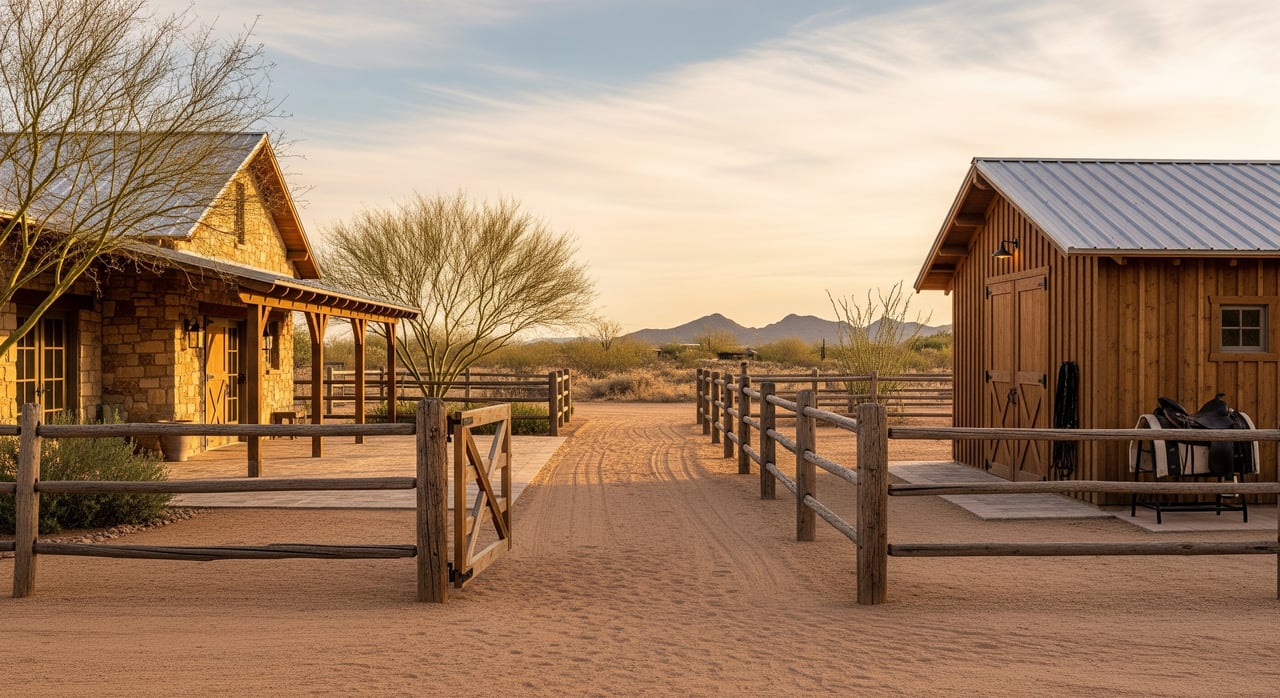
Picture this: you tack up at sunrise, haul a few minutes, and ride miles of open desert with your horse’s ears pricked toward low foothills and sandy washes. If that vision is why you’re eyeing Wickenburg, you’re in good company. This guide shows you how to match the lifestyle with the right property and trail access, plus what to know about hauling, seasonality, and local rules. You’ll leave with a practical checklist and trusted resources to make smart moves. Let’s dive in.
Why Wickenburg works for riders
Wickenburg is ringed by public lands that make day-riding practical and scenic. Large parcels managed by the Bureau of Land Management provide the bulk of legal trail access and staging options for locals and winter visitors. Start with the BLM Wickenburg Field Office for maps, rules, and staging guidance.
Expect classic Sonoran Desert riding. You’ll find sandy and rocky singletrack, open arroyos, and broad mesa country with the occasional climb into low foothills. It is not manicured bridle-path riding. Planning for footing, shade, and water is part of the routine.
Seasonality matters. Fall through spring brings mild temperatures that draw riders from colder states. Summer heat and monsoon storms reduce safe day-riding and can make washes hazardous. The National Weather Service Phoenix office is your best source for climate patterns and weather alerts.
Desert stewardship is part of the lifestyle. Carry extra water for you and your horse, know your route, and respect closures. Review BLM guidance on staging and responsible recreation through the Wickenburg Field Office and BLM’s responsible recreation practices.
Finding legal trail access
Your best planning sources are official. The BLM Wickenburg Field Office is the authority on public land boundaries, vehicle rules, and staging locations. The Maricopa County Parks and Recreation site and the Town of Wickenburg site provide local trail and access information where applicable. Third-party apps can be helpful for rider reports, but always confirm legality and current conditions against BLM or county resources.
Common staging areas
You will find a mix of primitive BLM parking areas, well-used roadside pull-outs near popular washes, and private ranch facilities that offer paid day-use or overnight boarding. Primitive lots are typically packed dirt with limited signage. Pull-outs may have seasonal restrictions or no-parking zones. Private venues can be a good option if you want corral space, water, or overnight options with defined amenities.
Before you haul in
Do a quick pre-check to avoid surprises:
- Confirm land management status and current access rules on the BLM Wickenburg Field Office page.
- Verify trailer capacity, surface type, and turnaround room at your intended staging spot.
- Check whether overnight parking or camping is allowed for your trailer.
- Assume no potable water on site. Bring more than you think you need and plan for your horse’s intake.
- Look for posted rules on motorized use or closures in sensitive areas.
Property features that make riding easy
If daily trail access is your goal, the right on-property layout matters as much as distance to the nearest staging area. Use this checklist during showings and inspections.
Access and circulation
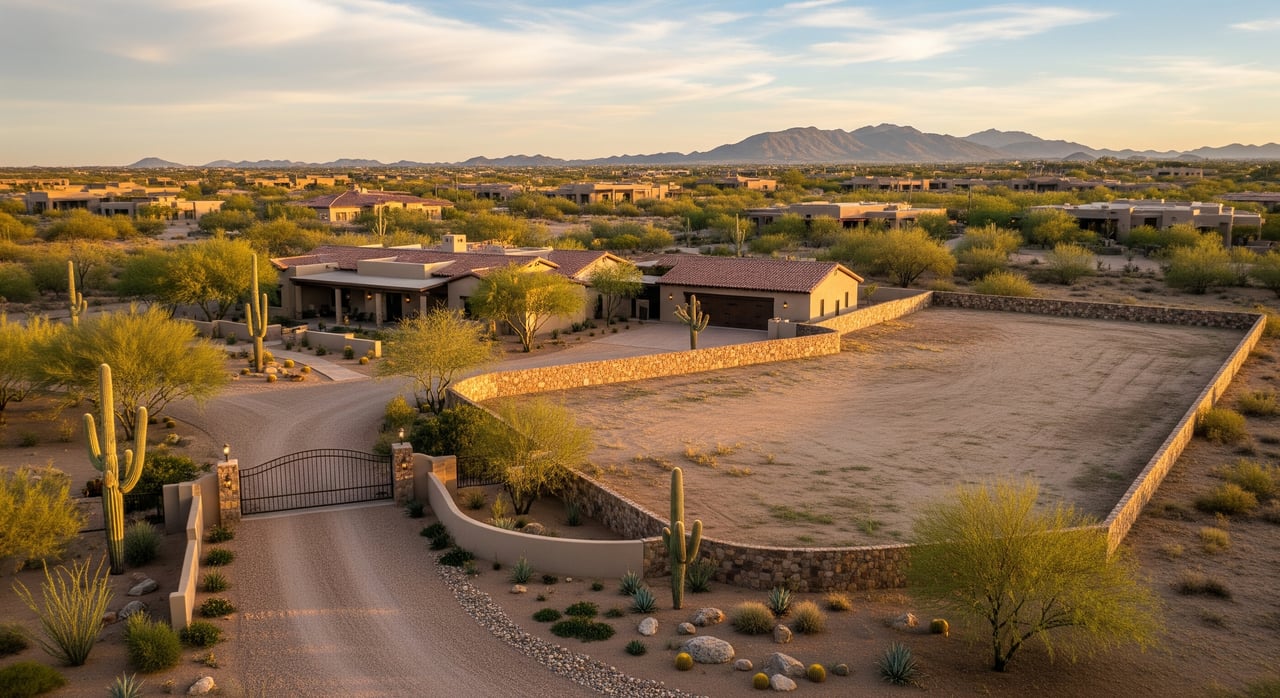
- Driveway width and gate opening: aim for 12 feet or more of clear width for safe truck-and-trailer passage. Note gate swing or slider style.
- Grade and surface: low grades with compacted or crushed rock reduce slipping and make backing easier.
- Turnaround: a circular drive or dedicated pad removes the need for complicated reversing.
- Road approach: confirm whether access is paved or a narrow dirt easement and ask about seasonal wash crossings or culverts.
Barns, shelters, and storage
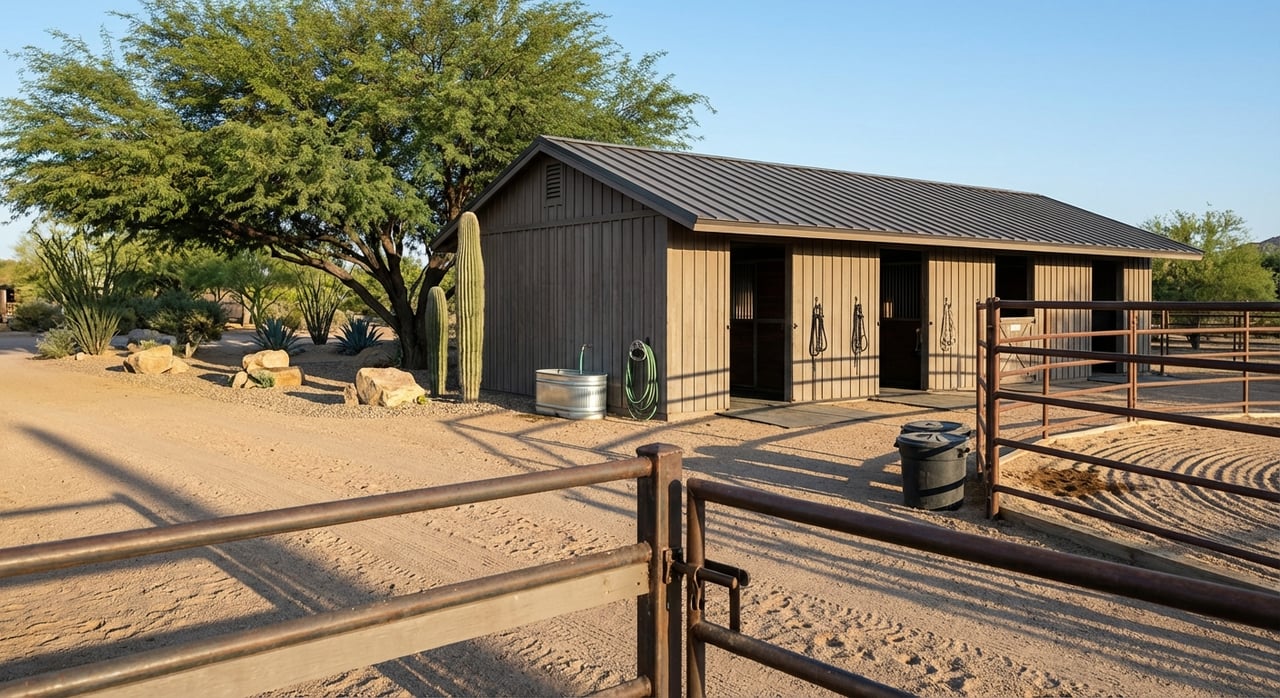
- Trailer parking pad: firm surface with room to unhitch, load, and stage tack.
- Hay and feed: covered, rodent-resistant storage sized for your program.
- Tack: a secure, dry tack room with power for dehumidifiers or boot dryers is ideal.
- Horse housing: covered stalls and safe turnouts matched to your herd size and routine.
Arena and working spaces
- Arena: confirm size, footing type, and drainage. Check orientation for sun and wind.
- Round pen: useful for warming up or tuning before you haul out.
- Lighting and water: arena lights and nearby water access extend your usable hours during short winter days.
Water and utilities
- Reliable domestic water: know well capacity or service reliability and confirm a dedicated stock-watering setup.
- Electricity: power at the barn for lights, fans, and water heaters when needed.
- Manure: identify a storage or composting area and any removal services you plan to use.
Fencing and boundaries
- Fencing: prioritize horse-safe materials. Inspect for loose wires, protruding nails, or brittle boards.
- Property lines: walk fence lines where possible and review recorded easements that affect access.
Zoning and HOA rules
- Zoning: confirm the number of horses allowed, setbacks for barns and arenas, and whether commercial boarding is permitted. Start with Maricopa County Planning and Development and the Town of Wickenburg for code references.
- HOA covenants: if applicable, verify rules on livestock, outbuildings, and arena lighting.
Tip for due diligence: bring a measuring tape for gates, photograph the driveway and any tight corners, and if possible test the approach with your trailer before closing.
Services and community that support the lifestyle
Reliable services keep your program running. Map your proximity to equine veterinarians, 24-hour emergency providers, farriers with desert experience, and feed and tack suppliers. The Wickenburg Chamber of Commerce directory is a good starting point for local providers and community contacts.
Trailer repair, tire shops, and mobile mechanics in the region are worth bookmarking, especially if you are new to Arizona hauling. If you plan to travel often, look for properties within a short drive of your preferred staging areas to reduce road time and wear on your rig.
Community matters too. Clinics, local rides, and arenas give you a place to train and connect. If you are wintering in Wickenburg, ask about nearby events and riding groups when you tour properties so you can plug in quickly.
Seasonal visitors: plan ahead
Arizona requires specific health documents for interstate movement of horses. Most travelers will need a negative Equine Infectious Anemia test and a current health certificate depending on the origin state. Confirm current rules with the Arizona Department of Agriculture’s animal import guidance.
On public lands, rules for parking, camping, and overnight stays vary by location. Some BLM staging areas allow overnight trailer parking while others do not. Verify before you go with the BLM Wickenburg Field Office.
Stay weather-aware. Summer heat and monsoon storms can affect footing and road access in washes. Check the National Weather Service Phoenix for alerts and adjust ride times to early mornings or cooler days.
Pack with the desert in mind. Bring extra water, shade options, and electrolytes for your horses. Confirm your vet and farrier contacts, and note the nearest trailer service. These small steps keep your rides safe and stress-free.
How to shop for trail-first properties
Focus your search on three priorities:
Reliable trail access. Ask for the distance and average drive time to a named BLM staging area. A short haul means you will ride more often.
On-property readiness. Confirm water reliability, safe fencing, shelter, and an arena or round pen suited to your program.
Trailer-friendly circulation. Look for wide gates, a stable surface, and a simple turnaround that fits your rig.
If you want to refine that checklist for your specific horses and riding style, reach out. As a boutique advisor for equestrian properties, Clinton Miller pairs practical equine know-how with local land expertise to help you evaluate access, infrastructure, and value with confidence.
FAQs
How close are public trailheads to central Wickenburg?
- Many BLM access points sit within a short drive, often minutes to 20 to 30 minutes, depending on the specific staging area. Use the BLM Wickenburg Field Office maps for current locations and rules.
What paperwork do I need to haul horses into Arizona for winter?
- A current negative Coggins test and a health certificate are commonly required for interstate movement. Confirm details with the Arizona Department of Agriculture’s import guidance.
Are overnight trailer stays allowed at Wickenburg-area trailheads?
- Policies vary by site. Some BLM areas allow overnight parking or camping while others prohibit it. Check the BLM Wickenburg Field Office before you travel.
What property features matter most for easy hauling and daily rides?
- Wide gates, stable driveway surfaces, a clear turnaround, reliable stock water, safe fencing, and functional arenas or round pens are top priorities for most riders.
Where can I check zoning for keeping horses on a property in Wickenburg?
- Start with Maricopa County Planning and Development and the Town of Wickenburg for zoning, setbacks, and any local livestock rules.