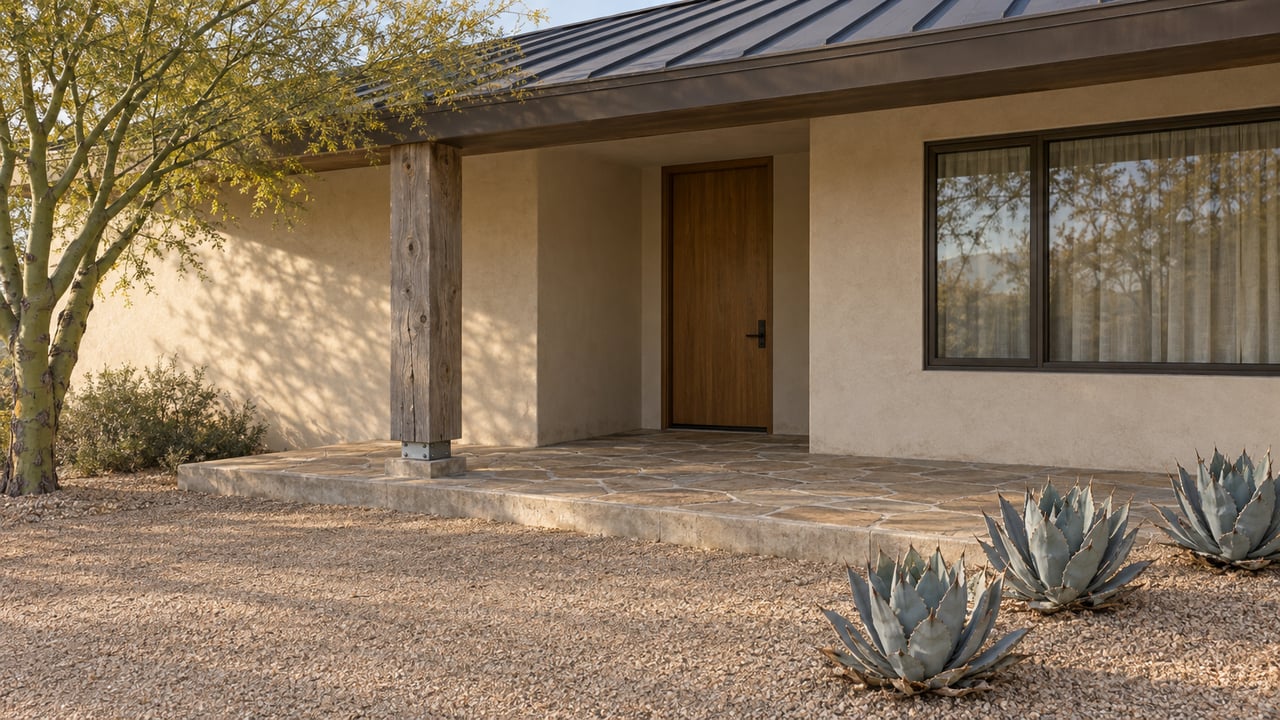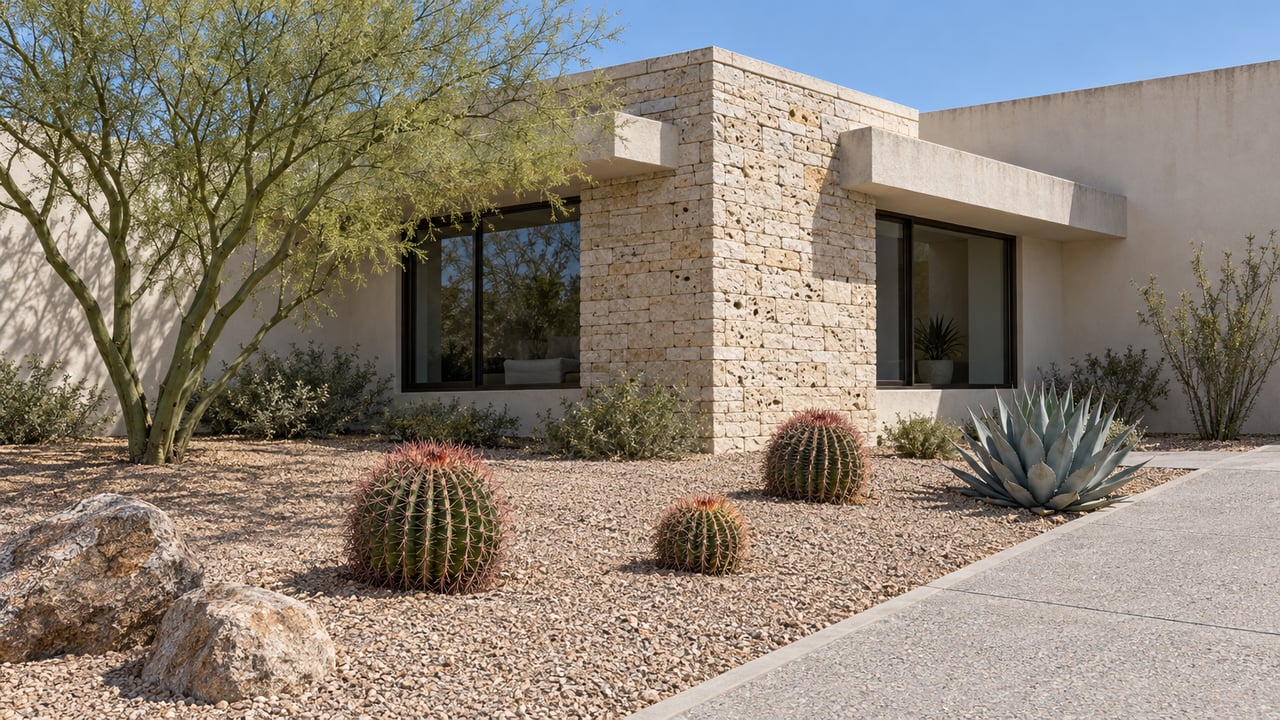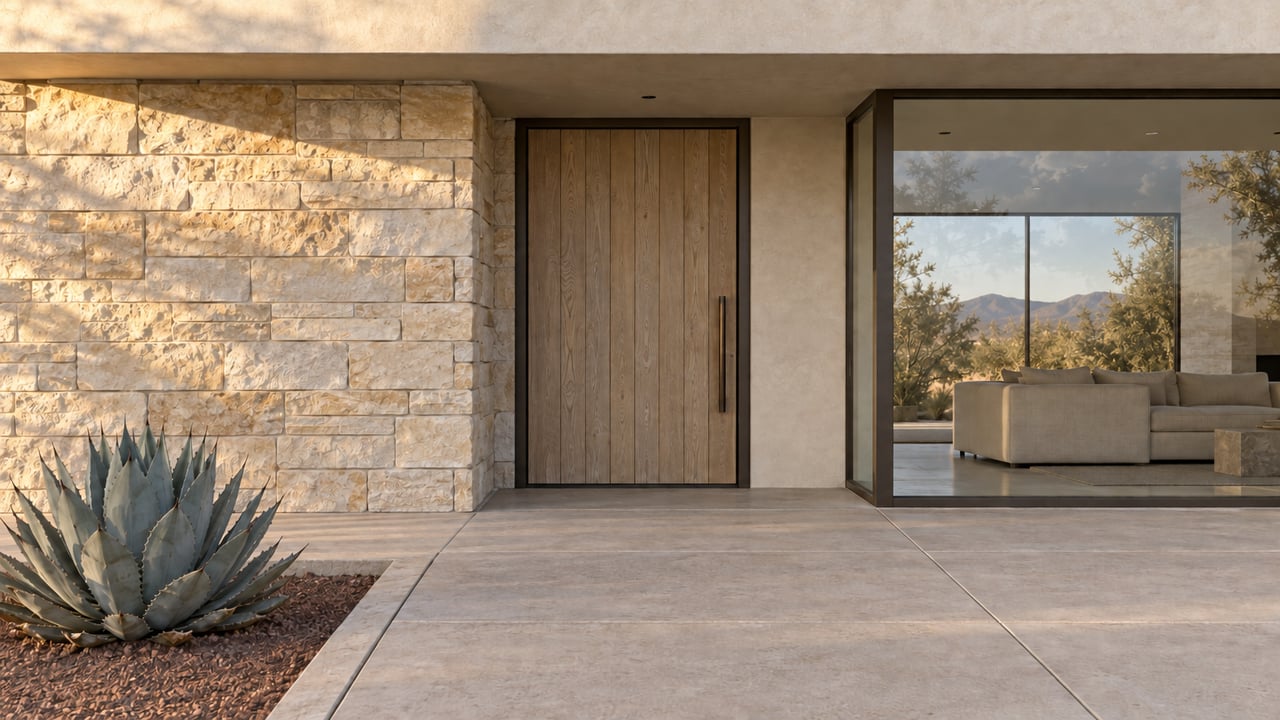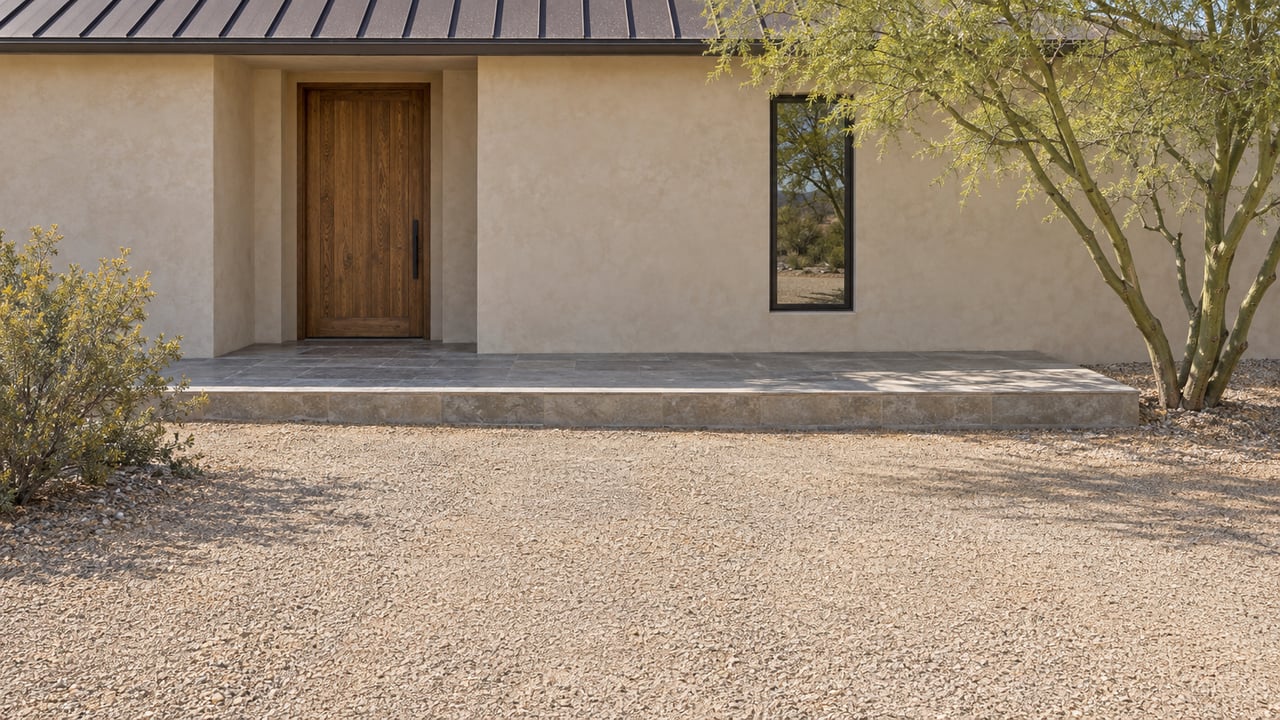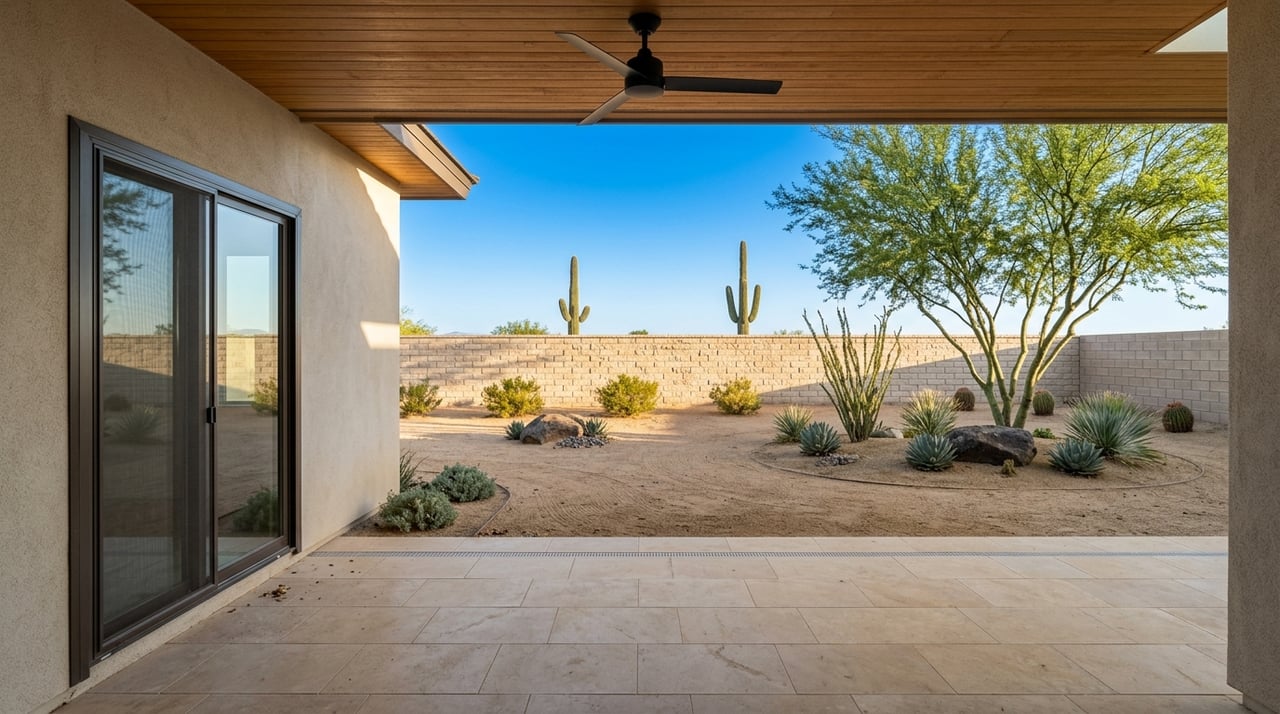
If you picture North Phoenix acreage living as either full suburb or full ranch country, you will miss what makes this edge of the city so compelling. The desert fringe offers a blend of space, trail access, wide skies, and practical access to major corridors, but it also asks you to think differently about heat, water, and daily routines. If you are considering a move to this part of Phoenix, understanding that balance can help you choose the right property and the right lifestyle fit. Let’s dive in.
What the North Phoenix acreage fringe feels like
North Phoenix’s acreage fringe is best understood as a transition zone, not a single uniform setting. According to the City of Phoenix, the Desert View area shifts from higher-density development near Loop 101 and Desert Ridge into horse properties, large-lot homes, rural land uses, and open desert as you move farther north.
That pattern shapes how the area lives day to day. You can be close to retail, offices, and established residential communities, while still finding pockets with bigger lots, darker skies, and a more open Sonoran Desert setting. For many buyers, that is the appeal.
The city describes the north side of Desert View as an area with vast open space, large-lot single-family homes, and access to biking, walking, equestrian, and multi-use trails. In practical terms, you are buying into a lifestyle that values room to breathe as much as convenience.
Desert View and North Gateway matter
The acreage fringe in North Phoenix is shaped largely by two planning areas: Desert View and North Gateway. Together, they explain why the area can feel spacious without feeling cut off from the rest of the metro.
The City of Phoenix describes North Gateway as the city’s northern gateway, with a regional employment center, emerging retail, diverse residential communities, and natural features like washes, mountains, trails, wildlife, and open Sonoran Desert. It also highlights easy freeway access, which is a major part of daily life here.
For buyers looking at acreage or large-lot homes, this matters because the experience is not one-dimensional. You are not simply choosing between urban and rural. You are choosing how much space, trail access, and desert character you want while staying connected to work, services, and the broader Phoenix market.
Why buyers are drawn here
Acreage-fringe living appeals to people who want more land, more privacy, and a stronger connection to the desert landscape. It can also appeal to equestrian-minded buyers, trail users, and those who simply prefer lower-density surroundings over a tighter suburban pattern.
One of the clearest advantages is the sense of openness. The planning framework for Desert View specifically points to large lots and open space in the northern reaches, which helps explain why this area stands out for buyers who value horizon, sky, and breathing room.
There is also a practical side to the appeal. Nearby core areas in Desert View include retail and office space, along with more conventional residential development. That means open-desert living here can still come with access to everyday conveniences without requiring a completely remote setup.
Outdoor living is central here
In many neighborhoods, trail access is a bonus. On the North Phoenix acreage fringe, it is often part of the lifestyle itself.
The Sonoran Preserve is one of the area’s defining amenities. The City of Phoenix says it includes more than 9,600 acres and 36 miles of trails across three trailhead locations, offering everything from easy paved routes to more demanding desert trails.
That variety changes how you use the area. Some routes support casual walks, jogging, or family outings, while others are better suited for experienced hikers or mountain bikers. Apache Wash also includes parking for cars and horse trailers, which reinforces the preserve’s role in equestrian and outdoor routines.
The city also notes that East Skip Rimsza Paseo is a lower-key paved route suitable for walkers, joggers, families, and older users. That range of options makes the preserve more than a scenic backdrop. It becomes part of how many residents structure their mornings, evenings, and weekends.
Daily routines start with the weather
One of the biggest adjustments in desert-fringe living is that the climate shapes your schedule. In North Phoenix, outdoor time is often less about the calendar and more about the clock.
Phoenix trail safety guidance recommends hiking when it is cool, especially in the early morning or evening. The city also advises wearing sun-protective clothing and carrying more water than you think you need.
That advice is not just for visitors. The city reports that more than 200 hikers are rescued each year from desert and mountain parks and preserves, which is a strong reminder that heat exposure is a real part of living in this environment.
For many residents, that means early starts become routine. You may plan walks, rides, exercise, and property tasks around sunrise or after sunset rather than around the middle of the day.
Water planning is part of the lifestyle
Desert living often looks effortless in photos, but the day-to-day reality is more self-directed. The Sonoran Preserve provides a clear example.
At Apache Wash, the city notes there is parking for cars and horse trailers, but no running water or drinking water. That detail says a lot about the area’s rhythm. Whether you are heading out for a trail outing or managing a larger homesite nearby, bringing what you need matters.
This is one reason acreage buyers often benefit from a practical, property-specific mindset. Space and freedom are a major part of the value, but they come with more personal responsibility in how you prepare, move through the day, and use the land.
Commutes depend on corridors
A common misconception is that North Phoenix acreage living means being far removed from the city’s economic core. In reality, commute patterns here are closely tied to freeway access.
The City of Phoenix highlights North Gateway’s easy access to multiple freeways for travel across the state. That infrastructure helps explain why some buyers are comfortable choosing a more open setting without giving up access to jobs, services, or regional destinations.
Growth is also actively reshaping movement patterns. According to ADOT, the Loop 303 and I-17 project is adding a lane in each direction on Loop 303, building direct ramps at the system interchange, widening the northbound I-17 exit ramp at Sonoran Desert Drive, and is expected to take about two and a half years after construction began in January 2026.
For buyers, the takeaway is simple. If you are looking at the acreage fringe, commute convenience is highly corridor-dependent, and those corridors are continuing to evolve.
Growth and space coexist here
The most accurate way to think about this part of Phoenix is as a place where growth and openness exist side by side. You may find large lots, desert views, and trailheads nearby, but you are also in an area shaped by active planning, transportation investment, and continued development.
That combination can be a strength if it matches what you want. Many buyers are looking for a setting that feels less crowded than the city core but still connected to the larger region. North Phoenix’s fringe often delivers that middle ground.
It also means you should evaluate properties with a long view. The experience of owning on the acreage fringe is tied not only to the parcel itself, but also to access patterns, nearby land use, and how the area is changing around it.
What to consider before you buy
If you are exploring acreage or large-lot property in North Phoenix, it helps to look beyond square footage and finishes. Lifestyle fit is just as important.
Here are a few questions worth asking yourself:
- How important is trail access to your daily routine?
- Are you comfortable planning outdoor time around heat and early hours?
- Do you want a more open setting while staying near retail and freeway access?
- How much change are you comfortable with in a growing corridor?
- Are you looking for a property that supports equestrian use, privacy, or long-term land stewardship?
For the right buyer, these are not drawbacks. They are part of the appeal. The acreage fringe rewards people who appreciate the practical side of desert living as much as the beauty of it.
Why local guidance matters
Properties on the North Phoenix fringe are often more nuanced than a standard suburban home search. Large lots, horse-property potential, access considerations, and the day-to-day realities of desert land can all shape what ownership looks like.
That is where experienced local guidance makes a difference. When you are evaluating lifestyle fit as well as property value, you need someone who understands both the land and the way people actually live on it.
If you are considering acreage, equestrian property, or a desert estate along the North Phoenix corridor, Clinton Miller can help you evaluate the lifestyle, the land, and the opportunities with a practical local perspective.
FAQs
What is the North Phoenix acreage fringe?
- It is the transition area in North Phoenix where more suburban development gives way to larger lots, horse properties, open desert, and lower-density land uses, especially within the Desert View and North Gateway planning areas.
How rural does North Phoenix acreage living feel?
- It is not uniformly rural. The City of Phoenix describes a gradient, with more urban conveniences near Loop 101 and Desert Ridge and more open, large-lot desert living farther north.
What outdoor features define North Phoenix desert living?
- The Sonoran Preserve is a major part of the lifestyle, with more than 9,600 acres, 36 miles of trails, multiple trailheads, varied trail difficulty, and horse-trailer parking at Apache Wash.
How should you plan outdoor time in North Phoenix?
- Phoenix recommends getting outside when it is cooler, especially early mornings or evenings, wearing sun-protective clothing, and carrying more water than you think you need.
What should buyers know about water access on North Phoenix trails?
- At least some trail areas require you to be self-sufficient. For example, Apache Wash has parking for cars and horse trailers but no running water or drinking water.
How important are freeway corridors in North Phoenix?
- They are very important. North Gateway is defined in part by freeway access, and ADOT is expanding the Loop 303 and I-17 system to improve regional movement in this part of the market.
Is North Phoenix acreage living still connected to city conveniences?
- Yes. The Desert View core includes retail and office space, so many acreage-fringe properties can offer a more open lifestyle without being completely detached from everyday services.