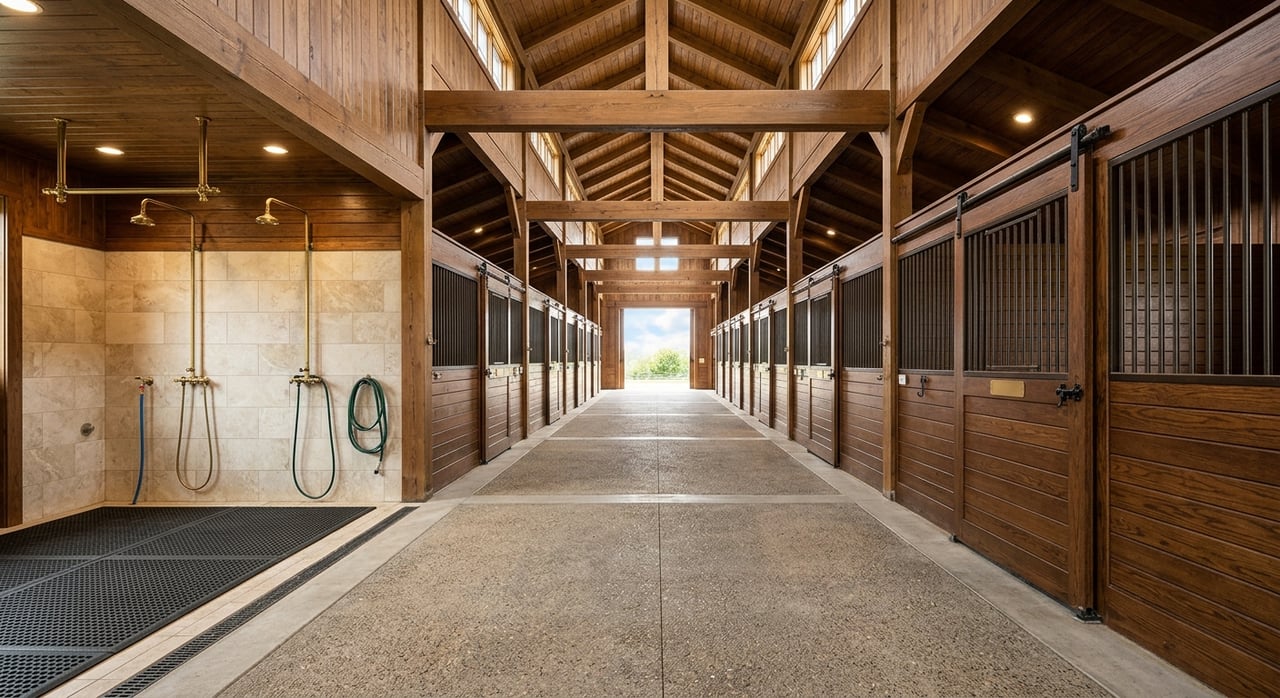
Buying a horse property in Cave Creek is not just about the house or even the acreage. In many cases, the barn and arena tell you more about how the property will actually live day to day. If you want a setup that works in Arizona heat, fits local rules, and supports the way you ride and haul, you need to look past surface appeal and evaluate the details. Let’s dive in.
Start With Jurisdiction First
One of the most important first steps is confirming where the property actually sits. A Cave Creek mailing address does not always mean the parcel is within the Town of Cave Creek. The town notes that properties with a 85331 address may be in Cave Creek, Carefree, Scottsdale, Phoenix, or unincorporated Maricopa County.
That matters because zoning rules, permit requirements, and review standards can change based on jurisdiction. Before you spend too much time analyzing the barn or arena, confirm the governing authority and ask for the site plan, zoning information, and permit history. A good plot plan should show structures, fences, utilities, easements, and topography, which makes it much easier to judge whether the horse improvements truly fit the parcel.
Check Zoning And Permit History
In Cave Creek, private ranch uses like barns, corrals, and horse shades are restricted to Desert Rural residential zones. The town also states that horse keeping on Desert Rural parcels is tied to at least two contiguous acres. If you are touring a horse property, this is not a small detail. It is a core due diligence item.
You also want to know whether the improvements were properly cleared and permitted. Cave Creek requires zoning clearance and the necessary building permits for these accessory uses. If the property is outside town limits, Maricopa County may require permits for accessory structures, fences, grading, electrical, plumbing, and water or septic work.
A missing permit record or unclear legal status for a barn, corral, fence, or arena should raise concern right away. The setup may look functional, but if the approvals are not there, your ownership experience can become more complicated than expected.
Review Setbacks, Fences, And Layout
Horse property value is not only about what is built. It is also about where those improvements sit on the land. In Desert Rural zones, fences including corrals must be set back at least 12 feet from property lines, and taller fences or walls may trigger zoning clearance and a building permit.
That makes site layout especially important during a tour. Look at how the barn, pens, gates, turnout areas, and trailer circulation work together. If everything feels squeezed into the edges of the parcel, the improvements may not be as usable as they first appear.
Focus On Desert Barn Function
In Cave Creek, a good barn has to do more than provide shelter. It has to function well in a hot, dry climate where airflow, shade, and ventilation matter for both horse comfort and everyday use. Arizona guidance for livestock shelters emphasizes shade, cooling winds, and ventilation openings where structures are enclosed.
The broader Phoenix area regularly sees extreme summer heat. Mean maximum temperatures are about 104.2°F in June, 106.5°F in July, and 105.1°F in August. In practical terms, that means a barn that feels stuffy or poorly ventilated during a quick showing may feel much worse in midsummer.
Look For Airflow And Ventilation
A common mistake is assuming an open door equals good ventilation. Penn State notes that the goal is to get fresh air to the horse, move heat out in warm weather, and reduce moisture, odor, and ammonia. Features like open eaves, ridge openings, and windows that open into stalls can improve air exchange.
University of Arizona guidance is even more useful for this market. Shelters should provide shade, allow cooling winds to move through, and be oriented north to south for maximum shade. For horse shade, the guidance lists about 50 square feet per head and a height of 12 feet.
As you tour, ask yourself a simple question: does the structure feel like it was designed for the Sonoran Desert, or does it just happen to hold horses? In Cave Creek, that difference matters.
Evaluate Stall And Aisle Space
Barn layout affects daily ease as much as square footage. The University of Maine guide identifies a typical stall as 12 by 12 feet and recommends at least a 12-foot aisle. That gives horses, people, and equipment more room to move safely and efficiently.
You should also think beyond stall count. Look for enough aisle space, practical turnout access, and a layout that does not force horses, trailers, feed carts, and people into the same choke points. A barn can seem attractive on paper but still function poorly if movement through the property feels cramped.
Check Feed, Tack, And Fire Safety
Storage matters more than many buyers expect. A dry feed room, secure tack storage, and a practical wash rack all support everyday use. These features are standard questions in equine facility planning because they directly affect convenience and upkeep.
Pay close attention to hay placement and electrical safety. The University of Maine guide warns that hay or feed stored above stalls can create excess dust, and Arizona guidance cautions that bedding and dust should be kept away from electrical components to reduce fire danger. If you see exposed wiring, dusty fans, or crowded utility areas, treat that as a meaningful red flag.
Evaluate Arena Footing As A System
An arena should not be judged by appearance alone. Good footing is not one perfect material. Penn State explains that footing should provide cushion and traction, avoid becoming too slick or dusty, avoid excessive abrasiveness, and remain reasonably easy to maintain.
Just as important, footing is a system. The base and sub-base matter along with the top layer, and local material availability can affect both performance and maintenance costs. If a seller can describe the footing material but not the base, drainage, or upkeep routine, you may not be getting the full picture.
Match The Arena To Your Riding Style
The right arena setup depends on how you actually use it. A horse property that works well for casual flatwork may not suit roping, reining, or frequent schooling. That is why the intended use of the arena should always shape how you evaluate footing, size, and maintenance needs.
Ask what the arena was built for and how often it is used. A feature only adds real utility when it fits your discipline and remains in good condition. In the market, that practical usefulness often matters more than simply having a longer list of improvements.
Watch Dust, Water, And Drainage
In Cave Creek, dust control and drainage deserve close attention. Penn State notes that watering helps reduce dust and stabilize footing, while Kentucky planning guidance specifically points buyers to questions about whether the arena drains well and how water moves across the property.
During a showing, look for access to a water source and ask how the arena is maintained. A well-functioning setup should have a plan for dragging, watering, and preserving surface consistency. If the footing develops holes, hard spots, or puddling after use, the arena may require more correction than routine maintenance.
Be Careful With Deep Sand
Many buyers assume deeper sand means softer footing. That is not always true. Penn State notes that very deep, loose sand can stress tendons, and fine particles can increase dust.
This is one reason a quick visual check is not enough. Step into the arena, look at the consistency, and ask how the footing performs after repeated use. In a dry desert market, surface management is part of the asset, not an afterthought.
Check Access, Parking, And Trailer Flow
A horse property can have a solid barn and decent arena but still fall short if access is poor. Kentucky’s equine planning checklist emphasizes movement patterns for horses, humans, vehicles, equipment, and water across the property. That includes truck and trailer parking, access to turnout, feed and bedding transport, and runoff away from structures.
This matters even more in Cave Creek because the town notes that roads, trails, and washes may become impassable during extreme weather. Trailer access is a real due diligence issue. Look at gate widths, turning radius, parking areas, and whether you can move in and out of the property without awkward or risky maneuvers.
Weigh Amenities By Usefulness
Horse property amenities can be helpful, but they only matter if they support the way you live and ride. Useful features may include round pens, hot walkers, wash racks, secure tack rooms, feed storage, turnout paddocks, and trailer parking. The value of those amenities depends on condition, maintenance, and fit.
A smaller round pen in the right location may be more useful than a larger one that is poorly placed. The same goes for a covered wash rack or a tack room that is secure and easy to access. Practical usability usually matters more than the feature list alone.
In Cave Creek, some buyers also weigh trail access alongside the onsite horse setup. The town notes that many properties are near public trails and that the area includes an extensive trail network for horseback riding. For the right buyer, that can be an important part of overall functionality.
Common Red Flags During A Tour
Some issues should make you pause and ask more questions right away. A horse property may photograph well but still have major functional concerns once you walk the improvements in person.
Watch for these common warning signs:
- No permit history or unclear legal status for barns, corrals, fences, or arenas
- Poor airflow inside stalls or enclosed barn areas
- Hay stored above stalls
- Unsafe wiring near dust, bedding, or fans
- Narrow gates or cramped trailer turns
- Mud, puddling, or poor drainage around the barn or arena
- Dusty footing with no clear watering plan
- No obvious manure management or wash-water plan
If several of these show up at once, the property may be presenting an equestrian image without delivering true equestrian function.
Ask The Most Important Touring Question
At the end of the day, the best question is also the simplest. Does the horse setup support how you actually ride, haul, store, cool, and maintain horses every week of the year?
That question cuts through cosmetic appeal very quickly. In Cave Creek, a strong equestrian property should align with local zoning, fit the desert climate, and work smoothly in real life. When those pieces come together, you are not just buying acreage with a barn. You are buying a setup that supports the lifestyle that brought you here in the first place.
If you are evaluating horse properties in Cave Creek and want a grounded read on barns, arenas, zoning, and overall functionality, Clinton Miller can help you assess the details that matter most.
FAQs
How do you verify horse property zoning in Cave Creek?
- Confirm the parcel’s actual jurisdiction first, because a Cave Creek mailing address may still fall in another city or unincorporated Maricopa County, then review zoning, site plans, and permit history for the horse improvements.
What barn features matter most on a Cave Creek horse property?
- Prioritize shade, airflow, ventilation, practical stall and aisle dimensions, dry feed storage, secure tack storage, safe electrical setup, and an overall layout that supports daily horse and equipment movement.
What should you look for in a Cave Creek riding arena?
- Focus on footing consistency, drainage, dust control, access to water, maintenance routine, and whether the arena’s size and surface fit the way you actually ride.
Why is permit history important for Cave Creek barns and arenas?
- In Cave Creek, barns, corrals, horse shades, and similar private ranch uses require zoning clearance and necessary permits, so unclear records can signal legal or functional issues.
How does Cave Creek weather affect horse property design?
- The area’s extreme summer heat makes shade, ventilation, cooling airflow, and dust control especially important when evaluating barns, shelters, and outdoor arenas.