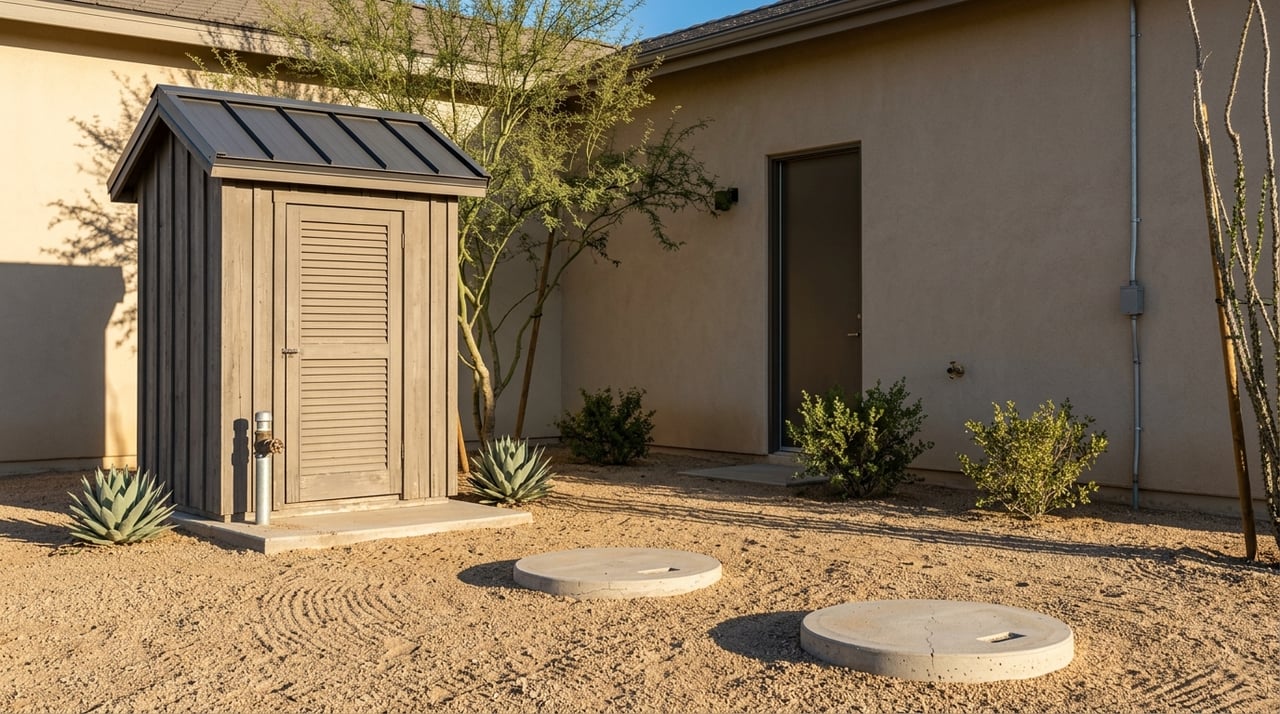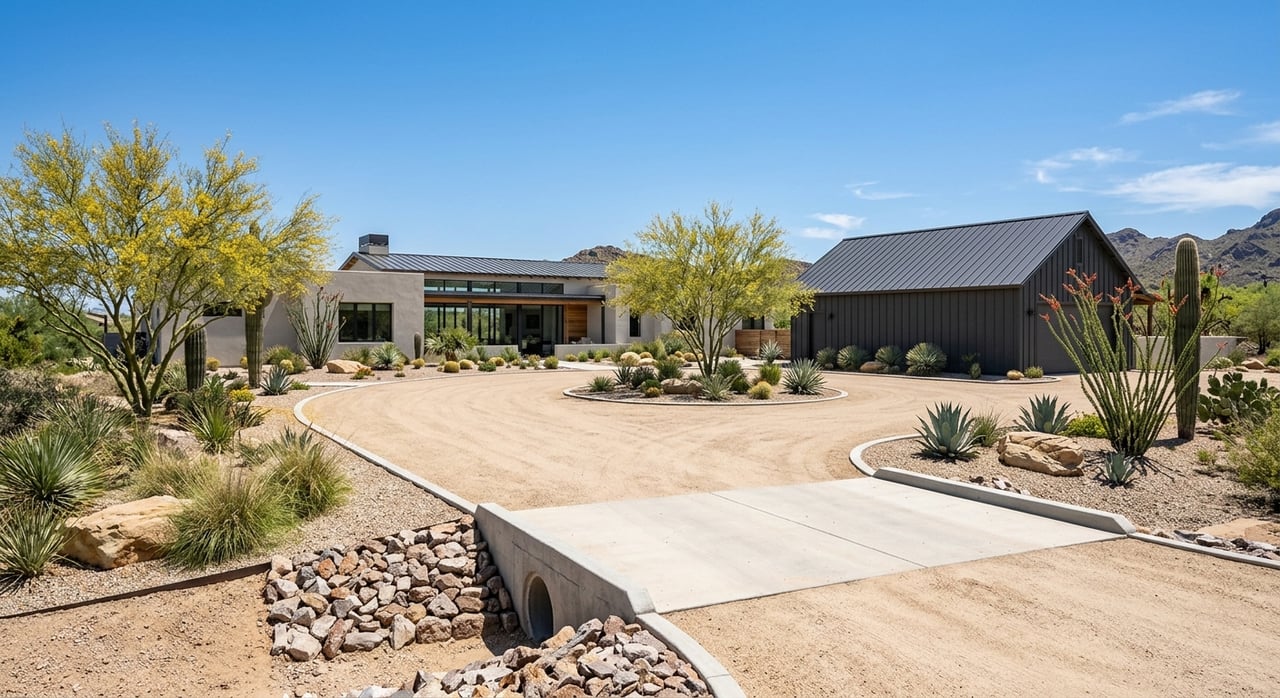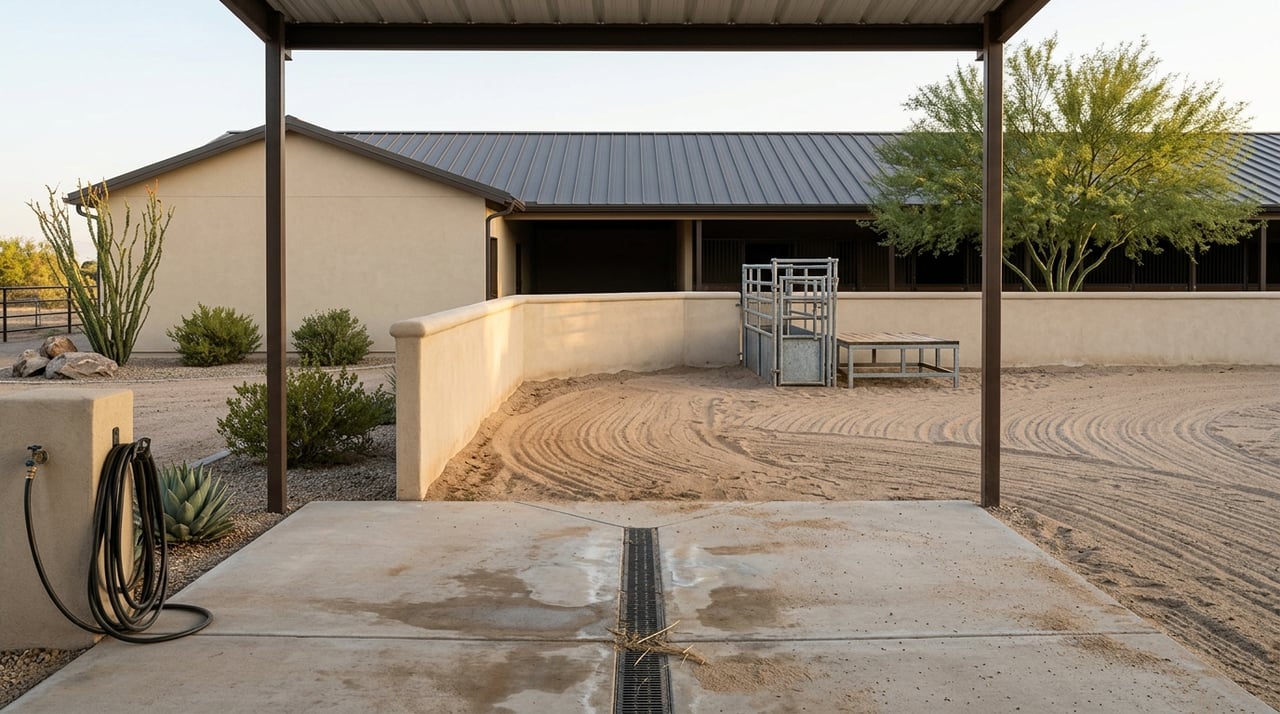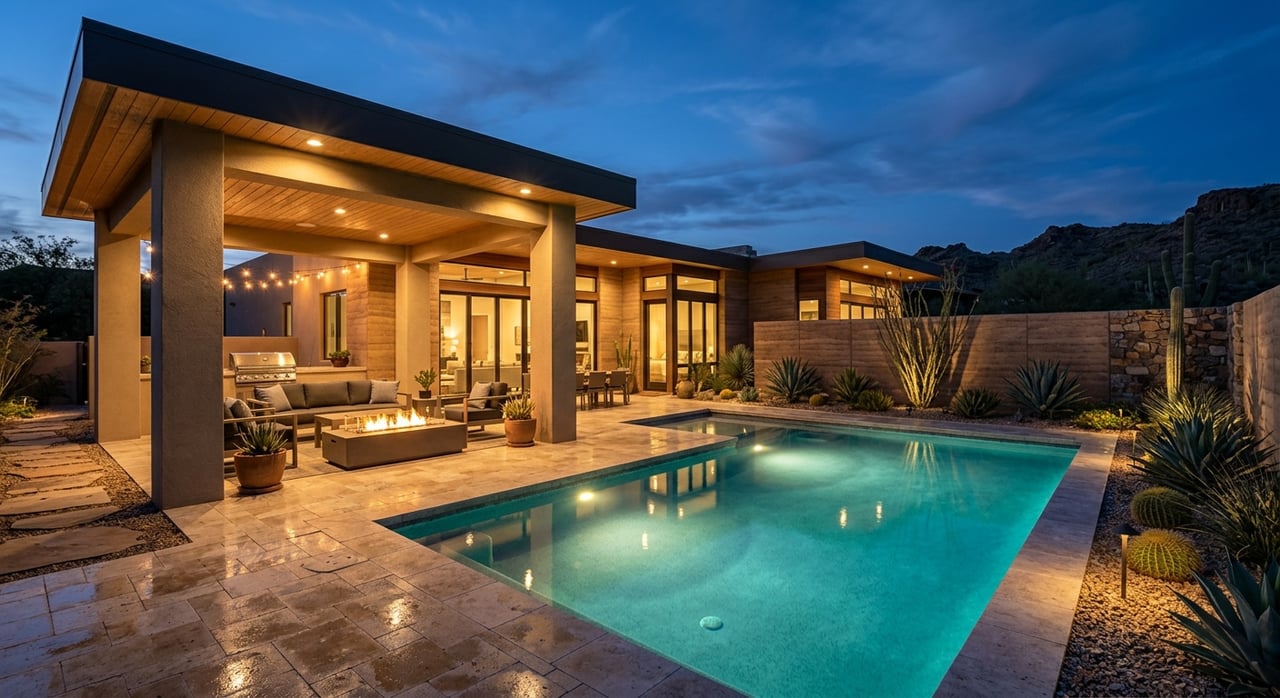
If you are getting ready to sell a North Scottsdale desert estate, the biggest mistake is treating it like any other luxury home. Buyers here are not just sizing up square footage or finishes. They are judging how the home lives in the desert, how it frames the views, and whether the outdoor spaces feel finished, calm, and easy to enjoy. The good news is that you do not need a full reinvention to make a strong impression. With the right prep, you can present the property the way today’s buyers expect. Let’s dive in.
Start With the Desert Setting
In North Scottsdale, your lot is part of the story. Buyers respond to a property that feels connected to the land, not one that looks overly reworked or out of place.
Scottsdale’s scenic-corridor guidance puts real emphasis on desert character, open space, native materials, and outdoor integration. That matters when you prepare for market because buyers often see the property as a complete lifestyle setting, not just a house with a yard.
If your home sits along a designated scenic corridor like Scottsdale Road, Pima Road, Shea Boulevard, Cave Creek Road, Carefree Highway, or Dynamite Boulevard, the local design baseline leans toward low visual impact and preserved views. Even when those guidelines are policy rather than ordinance, they still reflect what looks right in this market.
Preserve Native Plants First
Before you remove cacti, desert trees, or mature screening, slow down. Scottsdale’s Native Plant Ordinance applies city-wide and protects native plants in both natural desert and landscaped areas.
Many native trees and cacti take decades to mature. In practical terms, that means mature desert landscaping is an asset you should usually preserve, clean up, and highlight rather than replace.
If your prep plans could affect protected plants, permits or a native plant program may be required. That is one reason it makes sense to start exterior planning early, especially on larger lots with established vegetation.
Refresh, Don’t Replace
A full landscape redo is often the wrong move before listing. In most cases, a refresh creates a better return and keeps the property aligned with Scottsdale’s desert aesthetic.
Focus on:
- Removing dead or stressed plant material
- Trimming selectively to frame views
- Replenishing gravel or decomposed granite where needed
- Cleaning up edges around hardscape
- Adjusting irrigation so desert-adapted plants look healthy
The University of Arizona and Scottsdale both support low-water, desert-adapted planting. In a heat- and drought-prone environment, neglected irrigation can quickly make the whole property look tired.
Tighten Irrigation Before Photos
In the desert, buyers notice water issues fast. Overspray on walls, mineral staining on hardscape, and standing water around planting beds can make a well-built estate feel poorly maintained.
Scottsdale Water offers free Outdoor Water Efficiency Checks for homeowners, and the city also provides WaterSmart monitoring for customers. That can be useful before listing because the homeowner program includes irrigation clock review and efficiency tips.
Scottsdale’s irrigation checklist also says sprinklers should not spray buildings or hardscape and that systems should use weather-based smart controllers. For sellers, that makes irrigation tuning one of the smartest low-drama improvements you can make.
Watch for These Red Flags
Before media day or showings, check for:
- Sprinkler overspray hitting stucco, windows, or walls
- Wet walkways or standing water
- Rust or mineral spotting near heads and valves
- Dry zones in planting beds
- Irrigation timing that runs too long or at the wrong hour
These are small details, but they affect how polished the property feels online and in person.
Treat Outdoor Living Like Interior Living
Today’s buyers expect outdoor spaces to function like real rooms. NAR staging guidance specifically points to outdoor areas as key spaces to stage, and buyers’ agents rank photos, traditional staging, video tours, and virtual tours among the most important listing elements.
That means your patios, pool deck, covered seating areas, and fire feature zones should feel intentional. If those spaces look unfinished, cluttered, or dusty, the listing loses some of its edge before a buyer ever steps on site.
Focus on Practical Exterior Updates
For a near-term sale, maintenance usually beats major construction. NAR reporting shows curb appeal work is widely recommended before listing, with landscaping maintenance, standard lawn care, and tree trimming topping the list.
In North Scottsdale, the best prep often includes:
- Repairing pergolas or shade sails
- Replacing dead or mismatched exterior light fixtures
- Touching up paint on gates, doors, or trim
- Cleaning and simplifying patio furniture layouts
- Making sure outdoor seating areas read as usable and comfortable
Scottsdale’s design guidance also favors shade structures, deep overhangs, recessed windows, and lighting that minimizes glare and spillover. A calm, understated exterior usually lands better than one that feels overlit or overly busy.
Get the Pool Presentation Right
A pool can be a major selling feature, but only if it looks effortless. In the desert, buyers know pools require upkeep, so visible neglect can raise concern quickly.
Scottsdale notes that many pool leaks happen in equipment, and evaporation increases during hotter months. The city also notes that a 400-square-foot pool can lose about 19,665 gallons per year to evaporation.
Before photos and showings, inspect the pool equipment and autofill, confirm water clarity, and make sure the surrounding deck is clean. Proper backwashing and pool covers can also help reduce water loss and keep the pool looking ready to use.
Protect Views Without Flattening the Landscape
On a larger North Scottsdale lot, the view is often one of the most valuable features you have. But there is a difference between opening a sightline and stripping the landscape bare.
Scottsdale’s scenic-corridor guidance calls for protecting visual features like peaks, ridgelines, rock outcrops, significant vegetation, and drainage ways that act as view corridors. The takeaway is simple: trim selectively so the property frames the landscape instead of fighting it.
Keep the Drive Approach Intentional
Long driveways and broad setbacks can either feel elegant or feel empty. The difference usually comes down to maintenance, edges, and pacing.
Sweep gravel and hardscape, remove visual clutter near the approach, and make sure gates, entry walls, and address markers look clean and functional. On hillside or desert-edge properties, the goal is to let the home blend into the topography rather than feel visually harsh against it.
Preserve Privacy the Right Way
Privacy matters to many North Scottsdale sellers and buyers, especially on estate, ranch, and acreage properties. Still, a home should feel private without feeling shut down.
If your property already has healthy native screening, it is often smarter to preserve that screening than remove it and replace it with heavy barriers. Mature desert plants support privacy while keeping the property visually aligned with the natural setting.
If you are thinking about adding or modifying walls or fences, check Scottsdale’s rules first. Fences over 3 feet, increased height, retaining walls, and certain masonry walls may require permits or approvals, and even some lower walls require courtesy site-plan review.
Simplify What Buyers See
NAR staging guidance encourages sellers to declutter, depersonalize, fix visible issues, and remove pets during showings. On a desert estate, that often means simplifying what buyers encounter outside as much as inside.
Good examples include:
- Locking away personal items and equipment
- Limiting access to service areas that do not support the sale
- Cleaning up storage yards or side yards
- Reducing the number of decorative items on patios
- Making outdoor circulation obvious and easy to follow
The goal is privacy with openness, not privacy with confusion.
Make Showings Easy to Navigate
Large properties need a clear touring plan. If buyers are unsure where to park, which gate to use, or how outdoor spaces connect, the showing can feel disjointed.
Before listing, think through the order in which someone should experience the property. Parking, gate access, walkway lighting, and the flow from entry to patios to pool to view points should all feel intentional.
This matters for more than convenience. A clear route helps protect the landscape, reduces wear on sensitive areas, and keeps attention on the features that support value.
Time Photos and Drone Media Correctly
In luxury marketing, timing matters almost as much as the media itself. Since most buyers begin online, you want the listing presentation to match the in-person experience.
That is why professional photos should happen after the exterior work is done, not while projects are still in motion. If the hardscape is dusty, the lighting is off, or the planting looks unfinished, the listing can create the wrong first impression.
For North Scottsdale estates, the strongest media package usually happens when the property reads as one complete desert composition. That means cleaned glass, swept surfaces, healthy plantings, functional shade, and clear sightlines to the best views.
Use Qualified Drone Operators
If you plan to include aerial media, use a Part 107-certificated pilot for commercial drone photography. FAA guidance says commercial aerial work falls under Part 107, and flights in controlled airspace may require authorization.
For desert estates, drone footage can be especially useful for showing lot layout, setbacks, circulation, and how the home sits within the surrounding landscape. It works best when the site already looks composed at ground level.
Follow a Smart Prep Timeline
Trying to do everything in the final week usually creates stress and uneven results. A staged timeline gives you room to handle permit-sensitive items, exterior repairs, and media scheduling in the right order.
Here is a practical sequence based on Scottsdale resources and current staging guidance.
60 to 90 Days Out
Start with the systems and site items that may take time.
- Audit irrigation performance
- Review any work that could affect native plants
- Check walls, fences, and privacy elements for permit issues
- Identify exterior changes that need early approval or planning
30 to 45 Days Out
Handle the visible maintenance and presentation items.
- Finish landscaping refresh work
- Trim trees and selective vegetation
- Repair lighting and shade features
- Complete minor exterior paint touch-ups
- Simplify and stage patios or seating areas
1 to 2 Weeks Out
Get the property camera-ready.
- Deep clean glass and hardscape
- Fine-tune irrigation timing
- Inspect pool condition and equipment
- Confirm photo and drone scheduling
- Sweep drive lanes and refresh arrival areas
Final Week
Protect the finished look.
- Keep the property lightly watered
- Stay ahead of dust and debris
- Avoid last-minute construction
- Leave protected vegetation undisturbed
- Maintain a clean, consistent showing condition
Why Preparation Matters in This Market
North Scottsdale buyers tend to notice the difference between a home that is merely listed and one that is properly prepared. The homes that feel complete, calm, and true to the desert setting often create stronger early interest because buyers can picture themselves living there right away.
That does not mean over-improving. It means making thoughtful decisions that respect the land, sharpen the presentation, and remove distractions before your property hits the market.
For desert estates, ranch properties, and larger-acreage homes, that kind of preparation takes local judgment. If you want a tailored plan for your property, request a confidential consultation with Clinton Miller.
FAQs
What should you fix first before listing a North Scottsdale desert estate?
- Start with irrigation, landscape cleanup, visible exterior maintenance, and any issues affecting views, pool presentation, or outdoor living areas.
Should you remove native cacti or desert trees before selling a Scottsdale home?
- Usually, no. Mature native plants are often an asset, and Scottsdale’s Native Plant Ordinance may require review, permits, or a native plant program if protected plants are affected.
How important are outdoor spaces when selling a luxury home in North Scottsdale?
- Very important. Buyers often evaluate these properties as a full lifestyle experience, and staging guidance points to outdoor spaces as key areas to prepare.
When should you schedule listing photos for a Scottsdale estate?
- Schedule photos after exterior work is finished and the property is fully cleaned, staged, and visually consistent with how buyers will see it in person.
Do walls and fences need approval in Scottsdale before changes are made?
- In many cases, yes. Scottsdale rules say certain fences, added wall height, retaining walls, and some masonry walls require permits or approvals.
Is drone photography worth using for a North Scottsdale luxury listing?
- It often is, especially for large lots and view properties, because it can show layout, circulation, and the relationship between the home and the surrounding desert setting.