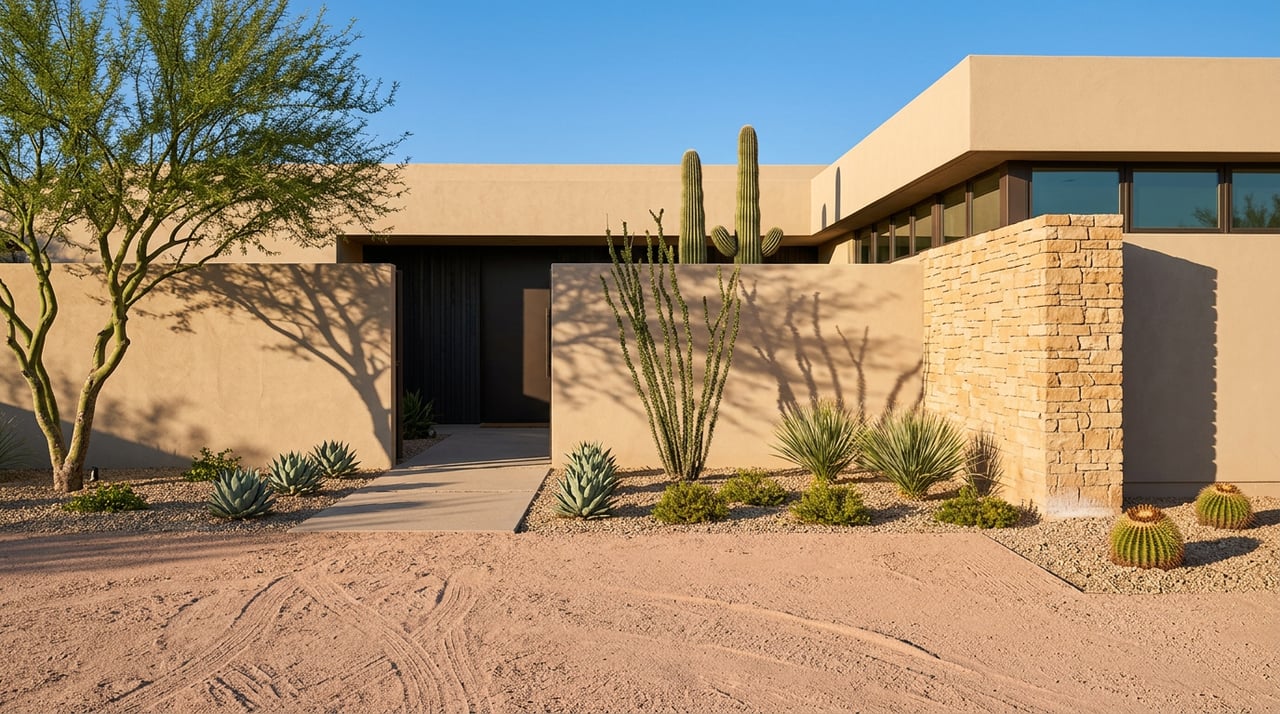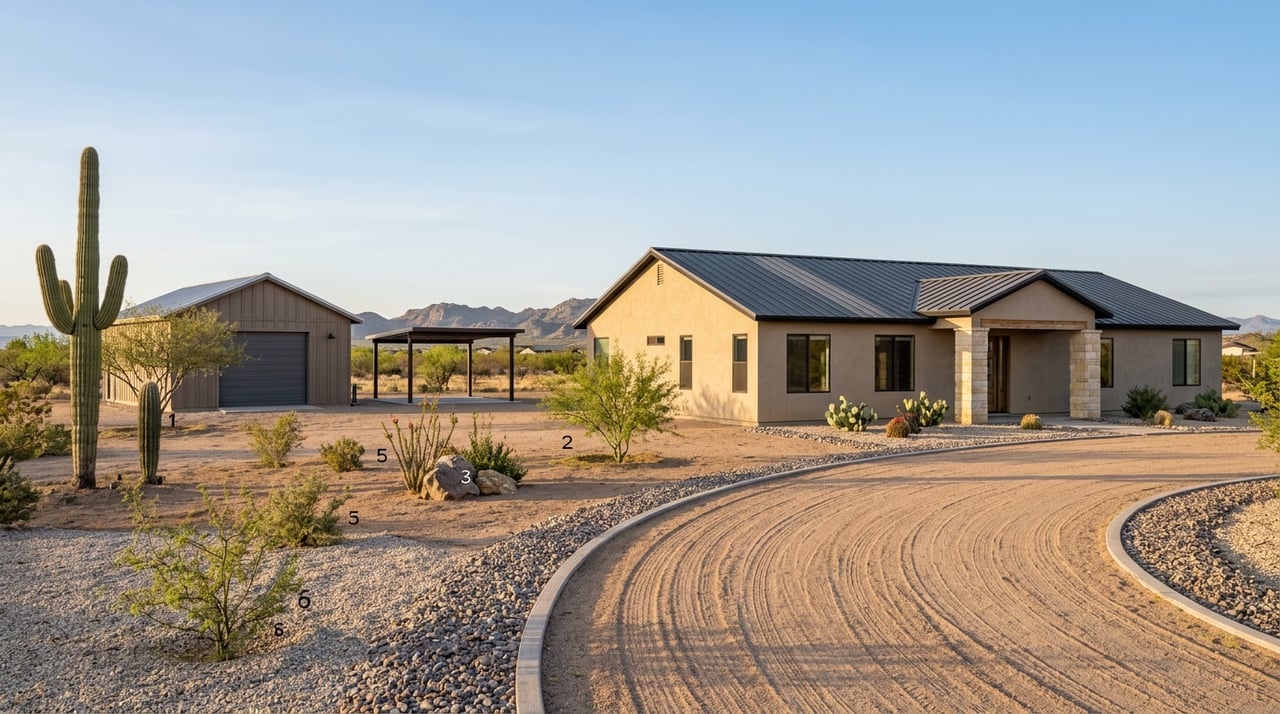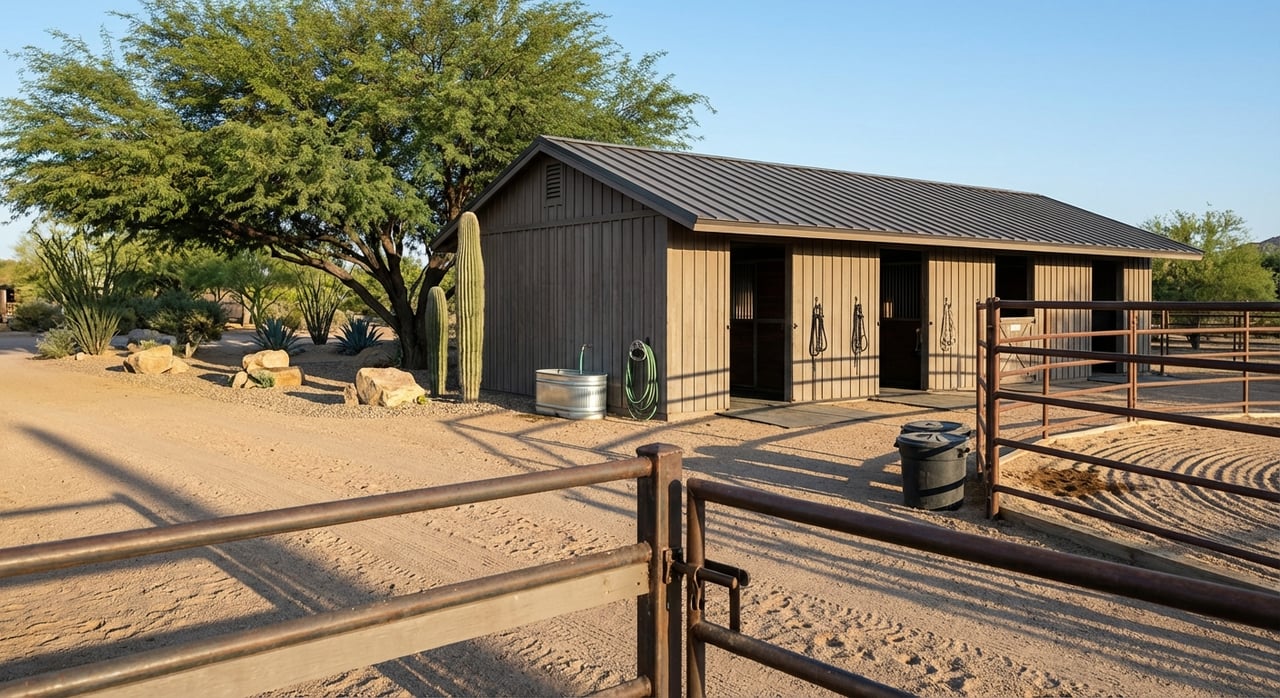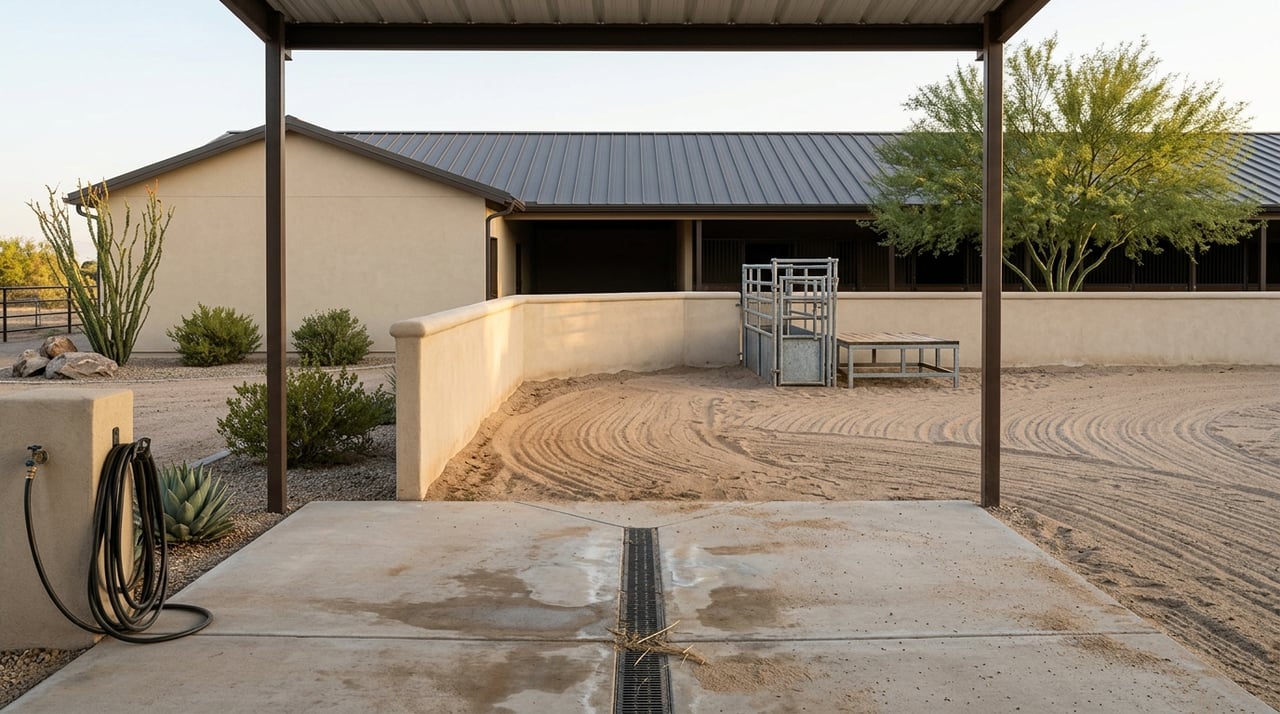
If you are selling a roping property in Wickenburg, you are not selling a typical house. You are selling a working setup in a town known for its equestrian culture, with buyers who will look closely at how the property functions day to day. The good news is that strong preparation can make your property easier to understand, easier to trust, and easier to position in a niche market. Let’s dive in.
Why Wickenburg Is Different
Wickenburg has a well-established equestrian identity. The town highlights its role as the Team Roping Capital of the World, and the local market is shaped by arenas, rodeo activity, second-home ownership, and seasonal events tied to Western lifestyle and recreation.
That matters when you sell. A roping property here is often judged less like a standard residential listing and more like a specialized rural asset, where buyers care about arena use, horse flow, trailer access, storage, and infrastructure.
Wickenburg is also a relatively small town. The U.S. Census QuickFacts page estimates a 2025 population of 8,301, which helps explain why true like-kind comparable sales can be limited. In a niche category like roping properties, pricing and marketing need to reflect the land and improvements, not just general housing stats.
Start With A Function-First Property Review
Before you think about photos or price, walk the property the way a horse owner would. Buyers want to picture how the setup works for training, hauling, feeding, and daily care.
Focus first on the core working features:
- arena size, footing, and drainage
- pen layout and horse-safe fencing
- trailer pull-through, parking, and turn radius
- hay, tack, and feed storage
- shade, water access, and wash areas
- gate access and overall traffic flow
These are not small details. In a roping-property sale, they often shape first impressions as much as the home itself.
Check Fencing, Gates, And Horse Flow
Fence condition deserves special attention because buyers often notice it right away. According to the University of Minnesota Extension horse fencing guidance, horse fencing should be visible, well maintained, and free of sharp edges, with gates sized for equipment and perimeter fencing around 5 feet tall. The same source also notes that pasture and paddock areas should be planned around barn, work, and feed-storage areas.
For your listing, that means buyers will respond to a setup that looks safe, organized, and easy to manage. Clean lines, usable turns, wide gates, and uncluttered movement paths can help the property show better in person and in photos.
Verify Zoning And Permits Early
One of the most important steps in selling a roping property in Wickenburg is confirming what is actually documented and approved. Wickenburg zoning addresses horse-related features such as corrals, arenas, turnouts, pastures, and accessory buildings, while Maricopa County also has permit processes that can apply to fences, corrals, accessory structures, and water or septic improvements.
Because permit handling depends on whether your parcel is inside town limits or in unincorporated county, it is smart to verify jurisdiction first. The Wickenburg zoning ordinance is a good starting point for understanding how horse-related structures are addressed.
If you have added fencing, pens, shade structures, arenas, or outbuildings over time, gather records before listing. Buyers, appraisers, and lenders are more comfortable when they can see a clear paper trail.
Organize Your Septic Paperwork
If your property uses septic, do not leave this for the end of the transaction. In Maricopa County, an onsite wastewater system must be inspected by a qualified inspector within six months before transfer. The county also requires a completed Report of Inspection, pumping of significant waste as needed, delivery of the report and related records to the buyer before closing, and a Notice of Transfer after closing.
You can review the full process on Maricopa County’s onsite wastewater ownership transfer page. For many rural sellers, septic readiness should be one of the first items on the pre-list checklist.
Pull Well Records If You Have Private Water
Water is a major value and risk question on rural property. If your roping property depends on a private well, gather what you can before the home goes live.
The Arizona Department of Water Resources regulates groundwater wells and maintains a well registry with owner- and driller-reported information. ADEQ also notes that private well owners are responsible for maintenance, and ADWR states that shared well agreements are not regulated by the agency, so any recorded shared-water documents should be collected separately.
In practical terms, your file should be as complete as possible. Buyers will want clarity on well records, shared well documents if they exist, and the overall water setup that supports the property.
Keep A Clean Improvement Packet
Rural buyers often ask more technical questions than suburban buyers. If you can answer them quickly, you build confidence.
Create a simple property packet that includes available records for:
- fences and walls
- corrals and arenas
- barns and accessory buildings
- septic inspection documents
- well records
- site plans or as-built materials, if available
Maricopa County’s fence, wall, and barrier requirements show how site plans, easements, and construction details can matter in the permit process. Even when an improvement looks straightforward, documentation helps support trust.
Time The Listing Around Local Activity
Wickenburg’s annual rhythm can influence who is in town and when your property is most likely to get the right attention. Rancho Rio notes that jackpots, clinics, and barrel racing run throughout the winter months, and Wickenburg’s broader event calendar is also shaped by seasonal activity and February rodeo events.
That pattern suggests a practical strategy. If possible, finish cleanup, repairs, inspections, and photography before winter activity ramps up or while the seasonal equestrian market is active. Waiting until the hotter and quieter months may mean fewer ideal buyers are circulating.
Price Like A Niche Property
One of the biggest mistakes sellers make is leaning too heavily on general housing numbers. In Wickenburg, broad market metrics can vary depending on the source, which is another reason roping properties should be valued with care.
Instead of relying on standard neighborhood comps, pricing should be built from like-kind rural and equine sales whenever possible. The USDA farm appraisal guidance emphasizes using comparable sales with similar physical and economic characteristics and allocating value between land and improvements, ideally using at least three comparable sales for direct comparison.
For a roping property, that usually means separating the value story into parts such as:
- the residence
- the acreage
- the arena and footing
- barns, pens, and accessory structures
- water and septic infrastructure
- access and hauling convenience
This approach gives buyers a clearer logic behind the asking price. It also helps support the valuation story for appraisers and lenders.
Market The Working Features Clearly
A strong listing for a Wickenburg roping property should do more than say “horse property.” It should explain how the setup works.
Your marketing should highlight the practical features buyers care about most, including arena layout, safe fencing, trailer circulation, storage, and day-to-day usability. Clean photos of gates, barn aisles, turnouts, wash areas, and the arena surface can often do more than generic exterior shots alone.
This is where boutique presentation matters. When a specialized property is marketed with clear details and strong visuals, it is easier for the right buyer to see the value quickly.
Expect Buyer Questions
Buyers for roping properties tend to be detail-oriented. Many will ask early about approvals, septic, well information, and how the horse setup functions.
Be ready for questions like these:
- Are the corrals and arena verified under the right local rules?
- Is the septic inspection completed and ready for transfer?
- Are well records available?
- Are there shared well documents?
- How is the property priced relative to similar equine sales?
The smoother your answers, the smoother the showing and negotiation process usually becomes.
Final Thoughts On Selling Well
Selling a roping property in Wickenburg is really a preparation-and-positioning exercise. When you clean up the working parts, organize the legal and utility records, and price the property based on like-kind equine value, you give buyers more confidence in both the property and the transaction.
If you want a discreet, knowledgeable strategy for presenting and pricing a specialized horse property, Clinton Miller offers boutique guidance for equestrian, ranch, and acreage sales with a practical understanding of the details that matter.
FAQs
What makes a roping property sale in Wickenburg different from a standard home sale?
- A Wickenburg roping property is often evaluated as a specialized equestrian asset, with buyers focusing on arena function, fencing, access, storage, water, and other working improvements rather than just general residential comps.
What should sellers check first before listing a Wickenburg roping property?
- Sellers should start by reviewing the property’s functional setup, including fencing, gates, arena footing, pen layout, trailer access, storage, shade, water access, and overall horse flow.
What septic requirements apply when selling rural property in Maricopa County?
- Maricopa County requires a qualified septic inspection within six months before transfer, a completed inspection report, pumping if needed, delivery of the records to the buyer before closing, and a Notice of Transfer after closing.
What water records should sellers gather for a Wickenburg horse property with a private well?
- Sellers should pull available well records from ADWR, gather maintenance information, and collect any recorded shared well documents separately if the property shares water service.
Why should pricing for a Wickenburg roping property use like-kind comparable sales?
- Because value in an equestrian property is driven by land, arena setup, barns, fencing, water, septic, and other functional improvements, like-kind rural sales usually provide a stronger pricing foundation than general housing metrics.
When is the best time to list a roping property in Wickenburg?
- Based on local equestrian activity, it can be smart to complete prep and launch before or during the winter roping season, when Wickenburg sees more related events, visitors, and activity tied to the horse community.