Buying acreage on the edge of the Phoenix area can feel like a dream until you realize the property may depend on systems you do not deal with in town. If a parcel has a private well, septic system, or shared setup, your due diligence needs to start early. The good news is that a few smart questions can help you spot paperwork gaps, planning issues, and ownership concerns before they become expensive surprises. Let’s dive in.
Why well and septic matter early
In much of Maricopa County, homes are served by public water systems. But in isolated or unincorporated areas, some properties rely on privately owned domestic wells, and Maricopa County notes it does not regulate or monitor those wells.
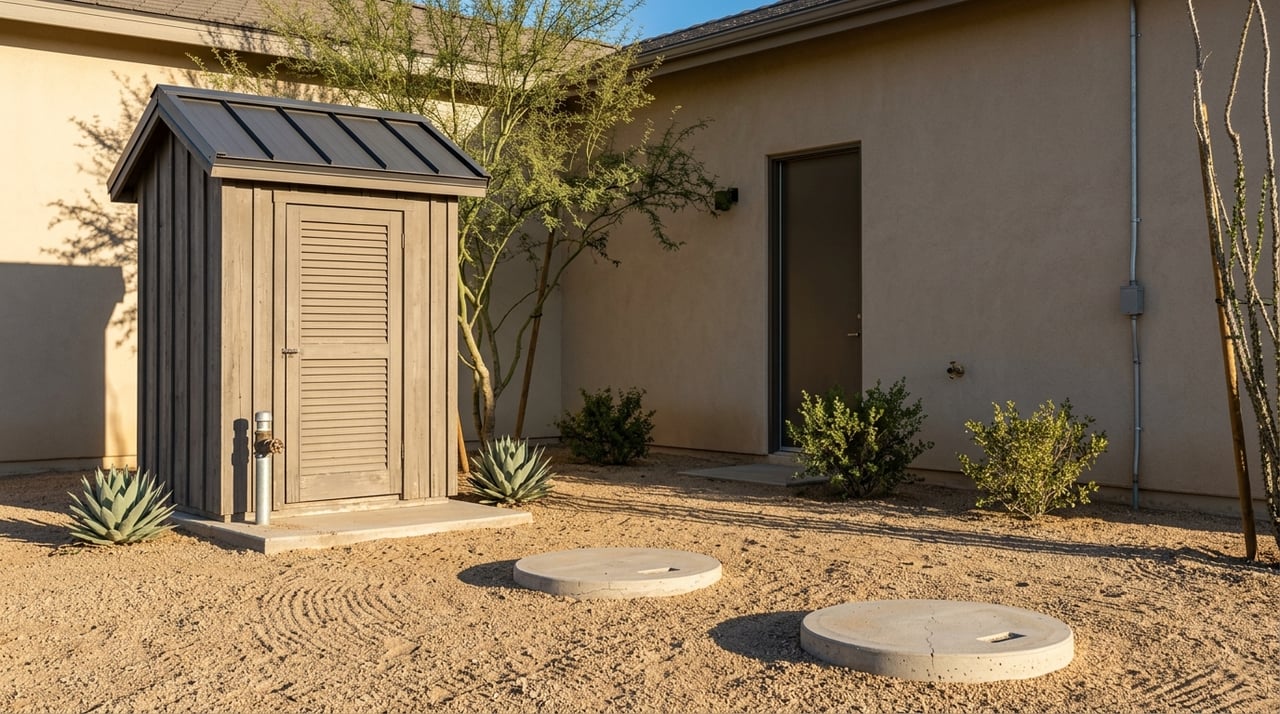
On the wastewater side, Arizona refers to septic systems as onsite wastewater treatment facilities, and ADEQ explains these systems are common statewide. For Phoenix-area acreage buyers, that means well and septic review often belongs near the top of your due diligence checklist, especially for fringe parcels, shared-drive properties, and land you may want to improve later.
What a private well means
A private well can serve one parcel, a shared group of parcels, or in some cases a larger system depending on connection and population thresholds. ADWR’s real estate FAQ makes an important distinction here: a shared well is not the same thing as a public water system.
That difference matters because the records, ownership questions, and legal agreements may look very different from a home connected to city water. If you are buying desert acreage in places around North Scottsdale, Cave Creek, Carefree, Rio Verde, or the broader Phoenix fringe, you want to know exactly what is serving the property and how.
Start with well records
Your first step is to confirm what records exist and whether they match the property you are buying. ADWR’s Well Registry can be searched by parcel number, and the imaged file may include the driller’s log and site plan.
There is one catch. ADWR says wells are registered to the parcel where they are physically located, and the map marker may not show the exact physical location. In practical terms, you should not rely on a registry pin alone when you are trying to confirm whether a well is actually on the parcel, offsite, or shared.
Ask the seller for:
- The well registration number
- The well driller’s log
- Any site plan or as-built information
- Any change-of-well paperwork if the registry name is outdated
ADWR also states that its registry does not certify legal ownership and does not make a legal determination about who owns the well. That is a key detail for acreage buyers, especially when parcels have been reconfigured or served through shared access routes.
Confirm where the well is located
On acreage, location is not a minor detail. You want to know whether the well is physically on the parcel you are purchasing, on a neighboring parcel, or part of a shared arrangement.
According to ADWR guidance for real estate and title professionals, a physical inspection is the best way to confirm whether a parcel actually has a well. That matters because the registry may not precisely show the wellhead location, and the transfer steps can differ depending on whether the well is on the parcel being conveyed.
If the well is physically on the purchased parcel, the owner should update the registry after closing. If the property does not have a well on it, or the well is offsite, ADWR says a transfer is not needed.
Shared wells need extra attention
Shared wells can work well for certain properties, but they deserve closer review. ADWR says shared-well agreements are civil matters and are not regulated by the department, which means the state is not stepping in to resolve agreement or usage disputes.
That is why buyers should ask for any recorded shared-well agreement and any access easements tied to the system. Maricopa County’s shared-well guidance also shows that site plans for homes on shared wells must identify access easements, which is another reason to review title and site documents carefully before you close.
There is also a threshold issue to be aware of. ADWR notes that a shared well serving 15 or more service connections or 25 or more year-round residents may be treated as a community water system instead.
Water testing is a buyer priority
Because private wells are not monitored the same way public systems are, recent water testing is a smart due-diligence item. The EPA recommends annual testing of private wells for total coliform bacteria, nitrates, total dissolved solids, and pH.
EPA also advises retesting after repairs, flooding, land disturbance, nearby construction, or any noticeable change in taste, odor, or color. Testing should be done through a certified drinking-water lab.
For buyers, that means a recent lab report can be one of the most useful documents in the file. It gives you a clearer picture of current water quality and helps you decide whether follow-up testing or system work may be needed.
Small parcels have special well rules
If you are buying or planning to build on a parcel of five acres or less, well permitting has another layer. ADWR says a Notice of Intent to Drill for a domestic well must go to the county for review when the parcel is five acres or less.
Maricopa County says private well NOI applications for properties up to five acres are available through the county, ADWR, or the drilling company, and required documents and fees go to county Environmental Services first. For vacant acreage, county guidance also notes that a private well NOI application can be submitted at the same time as the onsite wastewater permit.
Septic transfer rules in Arizona
Septic review is just as important as well review. In Arizona, the onsite wastewater transfer process is triggered when a property with a conventional septic tank or alternative onsite system is sold.
ADEQ explains the transfer process clearly. Within six months before transfer, the seller must retain a qualified inspector. The inspector prepares a Report of Inspection, the seller provides that report and related documents to the buyer before closing, and the buyer files the Notice of Transfer within 15 calendar days after the transfer.
For Maricopa County properties, the Notice of Transfer is submitted to county Environmental Services. This is one of the most important deadline-driven items in an acreage transaction.
Septic documents to request
Before closing, ask for the documents that help tell the story of the system. ADEQ’s inspection form is a practical guide because it asks whether core records are available.
Your request list should include:
- Septic permit or approval
- Construction records
- Site plan or as-built drawing
- Prior inspection reports
- Operation and maintenance records
- Any documents tied to an alternative system
These records can help you verify where the system is located, how it was permitted, and whether the current use appears consistent with the original design.
Alternative systems may need specialists
Not every property has a standard gravity septic system. If the home uses an alternative system, the review may need to go deeper.
Maricopa County says an alternative septic system must be designed by a professional engineer registered in Arizona with onsite wastewater expertise. If you are buying a property with a more complex setup, make sure your due diligence team includes the right technical professionals early in the process.
Older systems, altered systems, and split-parcel situations can also create complications. Maricopa County notes that lot-split conflicts can become legal issues rather than purely technical ones, and in many cases each lot ends up needing its own onsite system.
Setbacks can affect usability
On acreage, future plans matter almost as much as current use. If you may add a guest house, rework a barn area, build an arena support structure, or expand the main home, well and septic setbacks can shape what is feasible.
Maricopa County says private wells must be more than 100 feet from onsite wastewater systems. Its shared-well and site-plan guidance also shows septic systems set back more than 100 feet from wells and more than 50 feet from property lines unless approved otherwise.
Those distances are not just technical notes on paper. They can affect where you can build, whether an addition fits cleanly on the site, and whether an old layout still works for your long-term plans.
Bedroom count matters for septic capacity
Septic capacity is not just about square footage. Maricopa County’s inspection form uses bedroom count in the design-flow calculation, at 150 gallons per day per bedroom for a dwelling when permit records are unavailable.
If you are considering a remodel, bedroom addition, or space conversion, this is worth checking carefully. A property that works for today’s layout may need additional evaluation if your final plan adds sleeping areas or changes how the home functions.
Who should be on your due diligence team
Acreage purchases usually benefit from a few specialized voices. Depending on the property, your team may include:
- A qualified septic inspector for the transfer inspection
- A professional engineer if the property has an alternative septic system
- A licensed Arizona well driller if new well work, replacement, or modification is needed
- A certified drinking-water laboratory for water testing
- County Environmental Services for Maricopa-specific permits, filings, and setback questions
- Title, escrow, and legal counsel if shared wells, easements, or lot-split issues are involved
This is where experienced representation can make the process smoother. On rural and edge-of-town properties, the questions are often less about whether a home is beautiful and more about whether the infrastructure and paperwork truly support the lifestyle and land use you want.
Smart questions to ask before closing
If you want a clear framework, start here:
- Where is the well physically located?
- Is the well on the parcel, offsite, or shared?
- Can the seller provide the well registration number, driller’s log, and site plan?
- Is there a recorded shared-well agreement and access easements?
- Has the water been tested recently, and what was tested?
- Can the seller provide the septic Report of Inspection, permit history, and maintenance records?
- Is the septic system conventional or alternative?
- Have any lot splits, additions, or remodels affected setbacks or capacity?
- If the land is vacant, can the well and septic application process be coordinated together?
When you ask these questions early, you give yourself more room to verify records, line up specialists, and make confident decisions.
A practical approach for Phoenix-area acreage
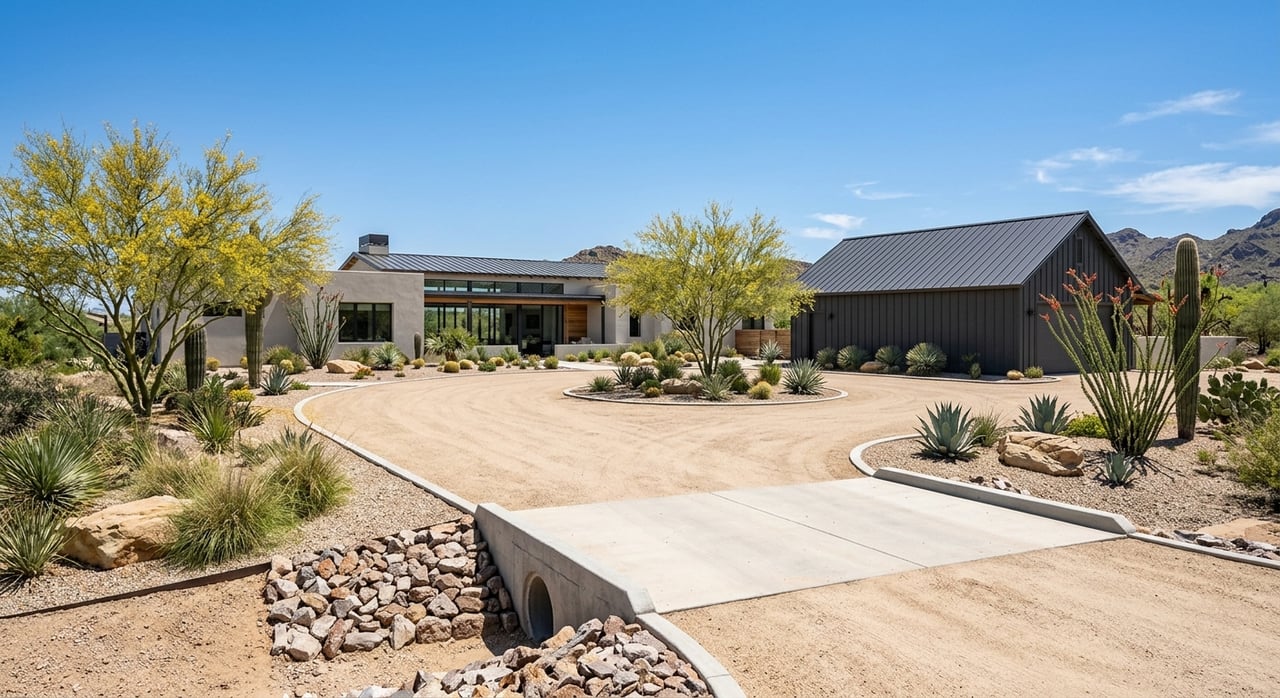
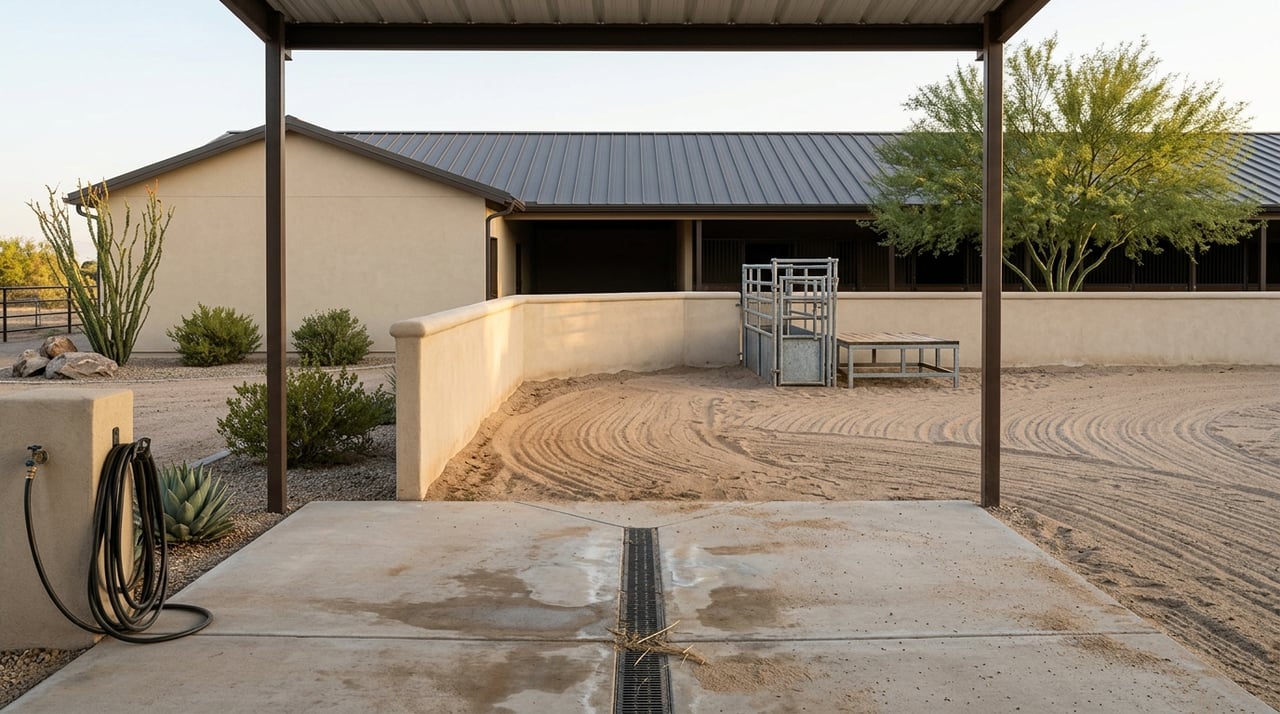
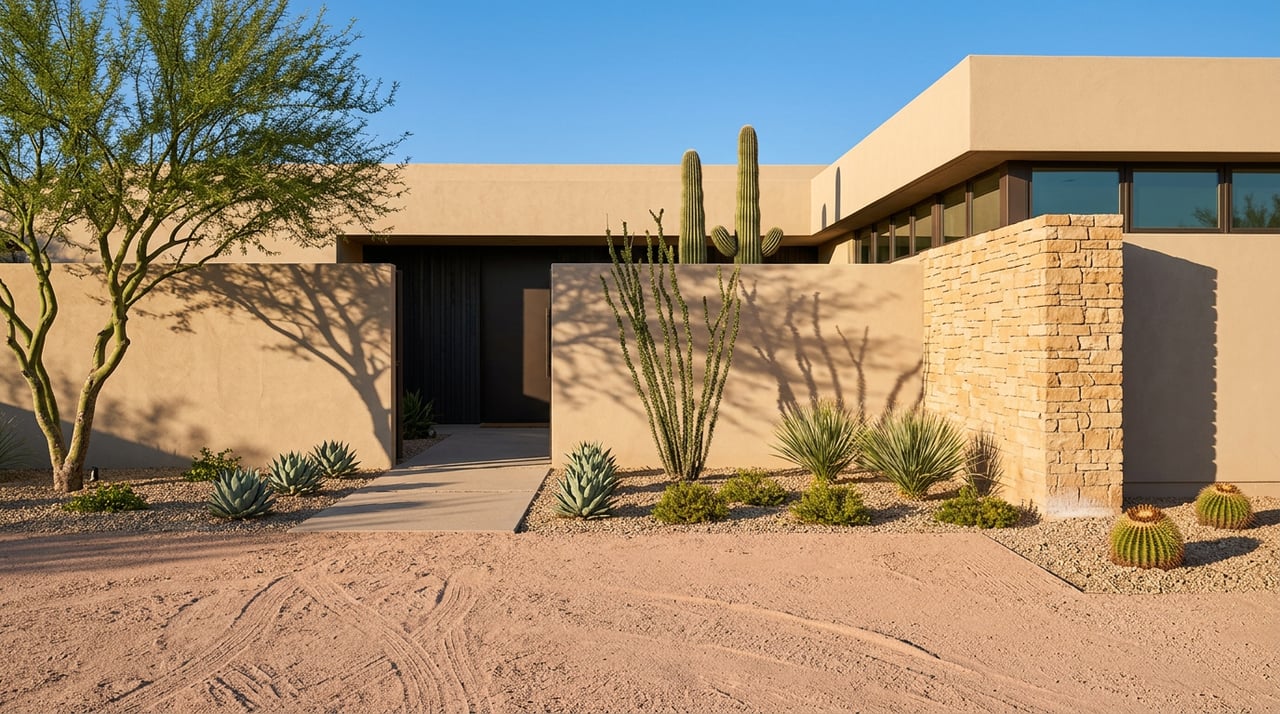
In the Phoenix-area desert corridor, acreage can offer privacy, views, horse setup potential, and room to build a lifestyle that is hard to find in a typical subdivision. But those same benefits often come with added infrastructure homework.
The goal is not to overcomplicate the process. It is to understand what serves the property, what paperwork supports it, and whether the site works for both your current needs and future plans. With the right review up front, you can move forward with clearer expectations and fewer surprises.
If you are evaluating acreage, horse property, or a desert estate with well or septic questions, working with an advisor who understands both the land and the transaction can save time and help protect your position. For discreet guidance on Phoenix-area acreage purchases, connect with Clinton Miller.
FAQs
What should Phoenix-area acreage buyers ask for on a private well?
- Ask for the well registration number, driller’s log, site plan, any change-of-well paperwork, and a recent water test report if available.
What does Arizona require when buying a home with a septic system?
- The seller must have a qualified inspector prepare a Report of Inspection within six months before transfer, provide that report before closing, and the buyer must file the Notice of Transfer within 15 calendar days after transfer.
What should Maricopa County buyers know about shared wells?
- Shared wells are not the same as public water systems, and buyers should review any shared-well agreement, access easements, and the physical well location carefully.
Why is water testing important for private wells in Maricopa County?
- Private wells are not monitored like public systems, and EPA recommends annual testing for total coliform bacteria, nitrates, total dissolved solids, and pH through a certified lab.
How can septic capacity affect future remodeling on acreage?
- Septic review may be needed if you plan to add bedrooms or convert space because county forms use bedroom count in design-flow calculations when permit records are not available.
What setback issue matters most with wells and septic on acreage?
- Maricopa County says private wells must be more than 100 feet from onsite wastewater systems, and site layout should also account for property line setbacks shown in county guidance.