Looking for more land without giving up Phoenix access? On the north Phoenix fringe, that balance is very real. You can be minutes from major roads and established neighborhoods, yet still find large-lot homes, horse properties, and custom acreage settings that feel far more open than a typical subdivision. If you are weighing that move, this guide will help you understand how the area works, what tradeoffs to expect, and what to verify before you buy. Let’s dive in.
What the North Phoenix Fringe Means
The north Phoenix fringe is best understood as a transition zone. In this part of the Valley, you move from more conventional suburban development into lower-density desert parcels, large-lot homes, equestrian properties, and rural land uses.
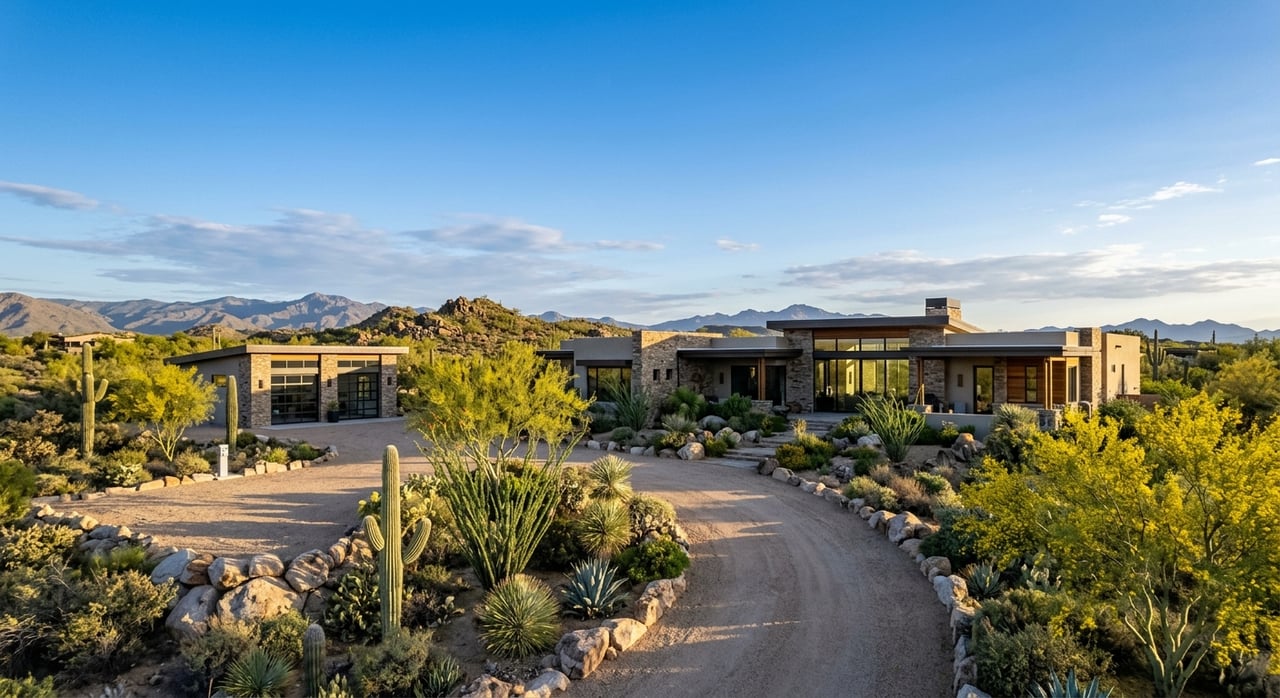
City planning descriptions support that mix. Phoenix describes North Gateway as an area with master-planned communities, scenic washes, mountains, trails, open Sonoran Desert, wildlife, and freeway access. In Desert View, the city notes a range from denser development near Loop 101 and Desert Ridge to lower-density horse properties, rural land uses, open space, trails, and large-lot single-family residences farther north.
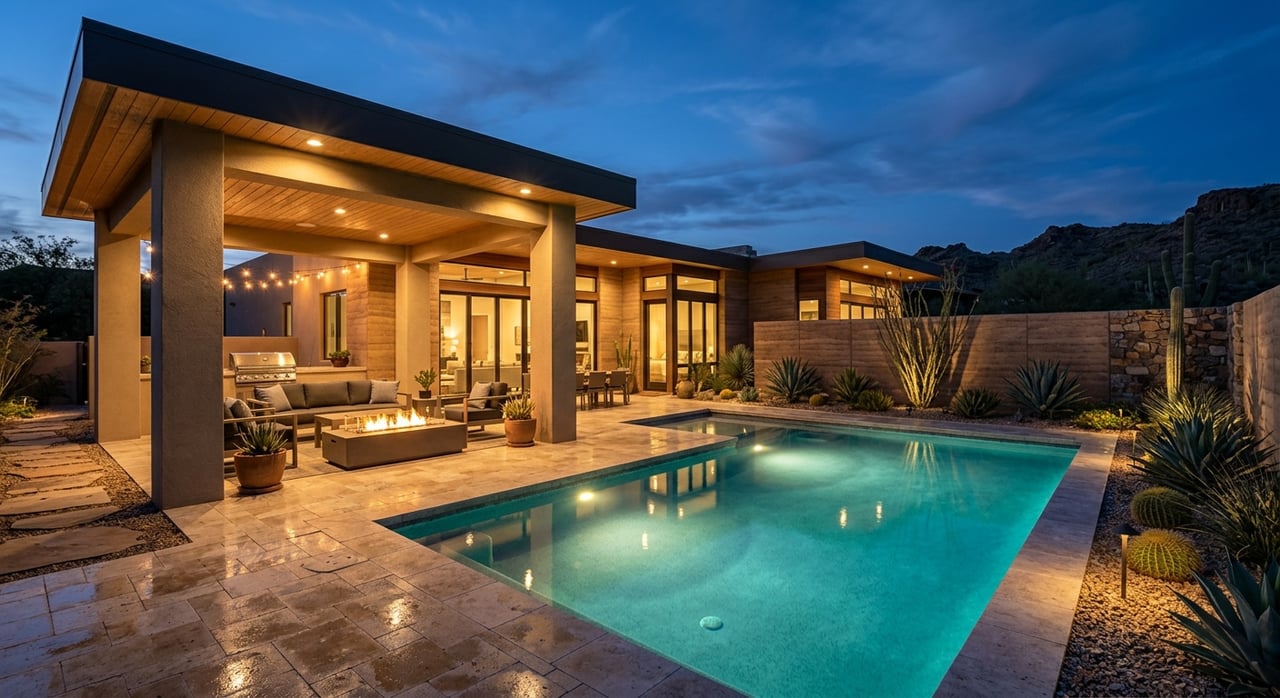
For you as a buyer, that means one street search can include very different property types. You may compare a custom home on acreage, a horse property, or a large-lot estate against a more standard neighborhood home only a short drive away.
Why Acreage Feels Different Here
Acreage living on the north Phoenix fringe is not just about square footage. It is about how the lot is regulated, how much of it can be built on, and how much of the site stays open.
Phoenix notes that a typical single-family lot is about 6,000 to 8,000 square feet. By comparison, larger-lot zoning categories can require a minimum lot size of 43,560 square feet, which is one acre. County zoning also includes 35,000-square-foot minimum lots in some districts.
That difference changes the feel of daily life. A home on a one-acre or near-one-acre parcel often has more setback space, more separation from neighbors, and more flexibility for features like detached structures, equestrian improvements, or expanded garages, subject to zoning and site rules.
On the county side, lot coverage rules matter too. Maricopa County states maximum roof coverage of 25% for Rural-43 and 30% for R1-35. Even when the home is substantial, those limits help preserve more open land around it.
City Lot Versus Acreage Parcel
If you are deciding between a standard neighborhood and a fringe acreage property, this side-by-side view can help.
| Feature | Typical City Lot | North Fringe Acreage Parcel |
|---|---|---|
| Approximate lot size | 6,000 to 8,000 sq. ft. | 35,000 to 43,560+ sq. ft. |
| Housing style | More standardized subdivision homes | Often custom homes or custom renovations |
| Site openness | More compact | More open due to lot size and coverage limits |
| Utility pattern | More likely connected urban services | May involve private well or septic depending on parcel |
| Lifestyle flexibility | More predictable neighborhood format | More room for equestrian, storage, or site-specific improvements if allowed |
In many cases, the home product that fits these parcels is custom. Phoenix defines custom residences as homes built for a specific site and reviewed for compliance with building codes, zoning, grading, drainage, and other requirements. That is one reason the north fringe often appeals to buyers who want something more tailored than a tract-home layout.
Why Jurisdiction Matters So Much
One of the biggest issues on the north Phoenix fringe is that not every parcel falls under the same rules. Some properties are inside the City of Phoenix. Others are in unincorporated Maricopa County.
That distinction matters because zoning, parking rules, horse use, septic requirements, and buildable area can vary by jurisdiction. Two properties with similar acreage and a similar price point may have very different use options once you review the actual parcel standards.
This is where buyers can get tripped up. A listing may sound ideal for horses, RV storage, or a guest setup, but those features still have to fit the zoning district, setbacks, utility pattern, and approval path for that specific property.
Equestrian Use Is More Than a Big Lot
If you are shopping for horse property, size alone does not answer the question. The real issue is whether the parcel supports the equestrian use you have in mind.
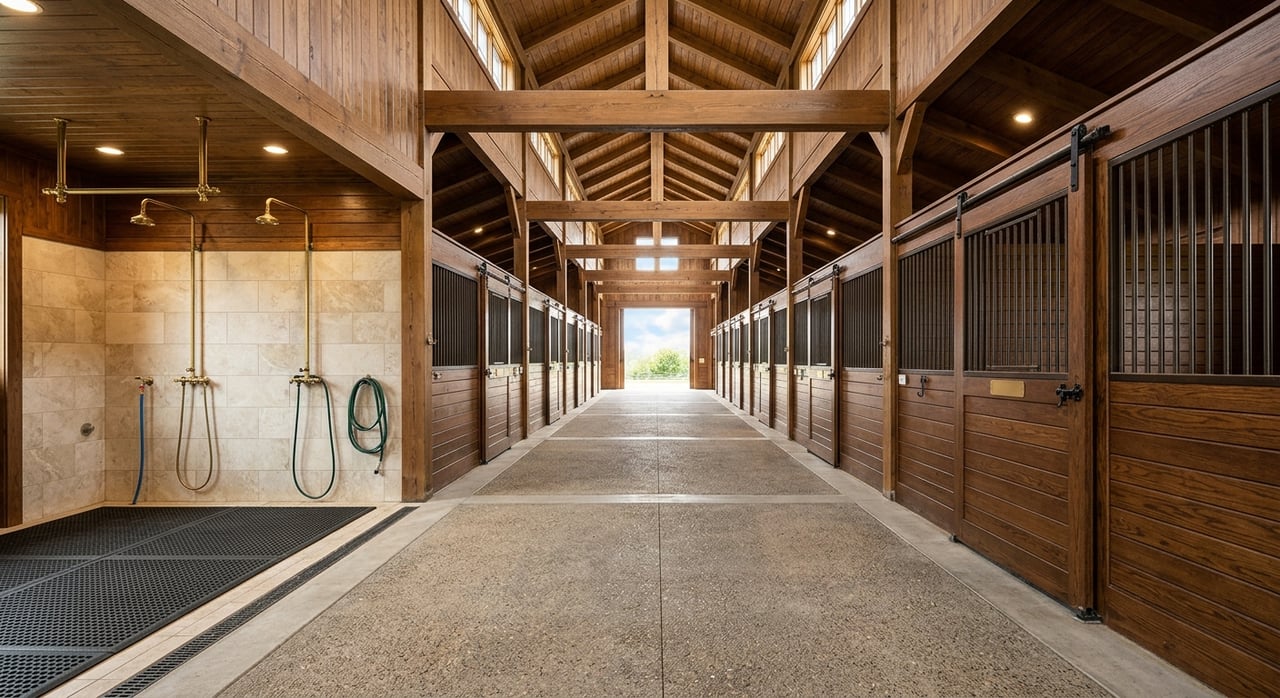
Maricopa County says rural zoning districts permit agricultural and equestrian-oriented land uses in several categories. County guidance also notes that accessory equestrian uses in rural districts can include arenas and structures for activities such as team roping, barrel racing, penning, mounted cowboy shooting, riding lessons, horse rentals, or trail-ride staging, though some uses may require separate zoning approvals.
The county ordinance gets even more specific in R1-35 zoning. Horse corrals must be in the rear yard, set back at least 40 feet from all lot lines, and provide at least 1,200 square feet per horse.
That means a horse setup has to work inside the real buildable envelope of the site. On paper, a parcel may look large. In practice, setbacks, home placement, drive access, and other improvements may narrow your usable equestrian area.
RV and Trailer Space Need a Property Plan
Many luxury acreage buyers want room for trailers, recreational vehicles, oversized garages, or desert toys. That can be one of the practical benefits of north fringe living, but it still needs to be planned correctly.
Maricopa County’s residential parking ordinance prohibits parking large trucks, trailers, buses, and recreational vehicles on local or collector streets in posted residential areas of unincorporated Maricopa County, except in limited situations like loading, unloading, maintenance, or construction. So if RV living is part of your search, think in terms of on-site accommodation rather than street parking.
That puts the focus back on lot layout. Gate width, drive circulation, garage design, and designated parking areas can matter just as much as the raw acreage number.
Septic and Well Issues Can Shape the Deal
Utilities are one of the biggest practical differences between standard neighborhoods and fringe acreage properties. In some areas, lot potential is shaped not only by zoning, but also by water and wastewater requirements.
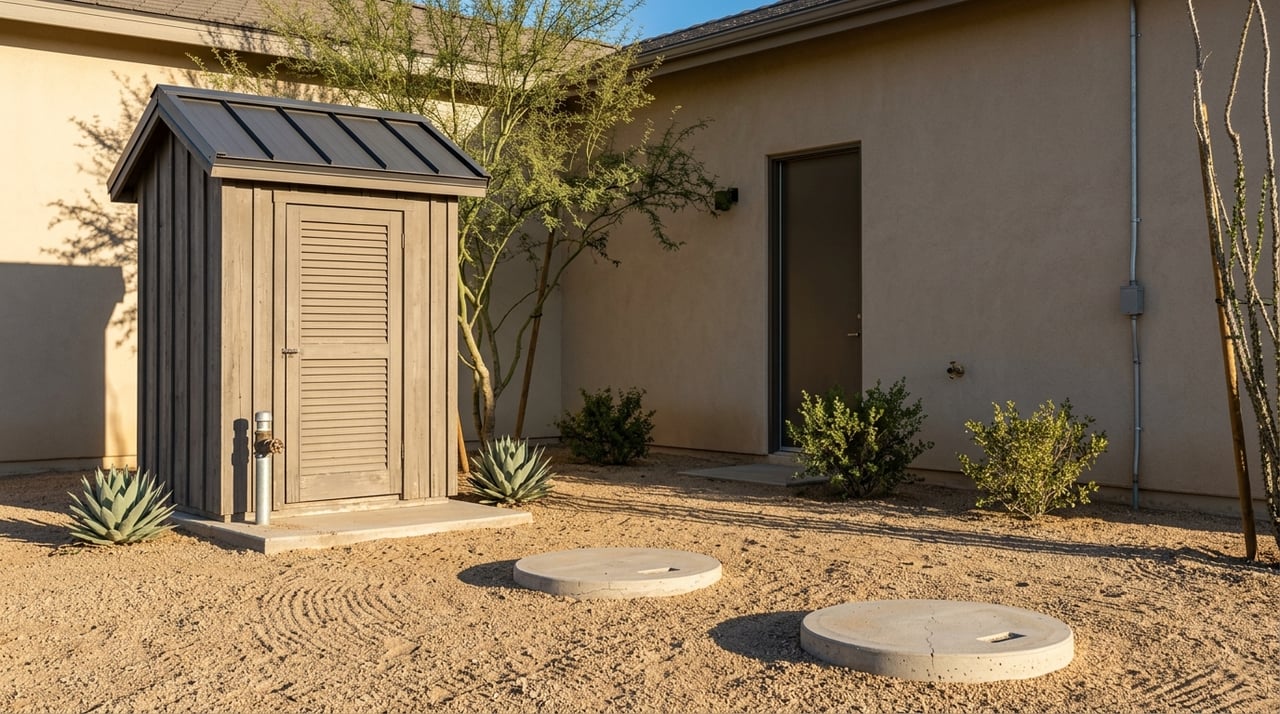
Maricopa County states that septic subdivisions must have a minimum of 35,000 square feet net per lot. The county also states that dry lot subdivisions with an onsite individual well and septic system on each lot are no longer supported.
For you, that means utility questions should be early questions. If a home relies on private systems, or if you are thinking about building or remodeling, those details can affect timeline, cost, and how the site may be improved.
Acreage Versus Master-Planned Living
The real comparison on the north Phoenix fringe is not simply city versus country. It is often standardization versus flexibility.
Master-planned communities in North Gateway and nearby areas can offer a more uniform development pattern and a clearer amenity structure. The fringe acreage market offers something different: more open land, a stronger sense of separation, and more room for site-specific improvements, subject to the parcel’s rules.
Neither choice is automatically better. It depends on how you want to live. If you value predictability and a more uniform neighborhood format, a master-planned setting may fit. If you value privacy, open desert character, horse capability, or custom land use potential, acreage may be worth the added due diligence.
What to Verify Before You Buy
Luxury acreage purchases reward careful review. Before you move forward on a north Phoenix fringe property, make sure you confirm the basics that matter most.
- Whether the parcel is in Phoenix or unincorporated Maricopa County
- The exact zoning district and any applicable overlays
- Minimum lot size and setback standards
- Roof or lot coverage limits where applicable
- Whether the property uses city utilities or private well and septic systems
- Whether horses, corrals, arenas, RV storage, or detached structures fit the parcel standards
- Whether your intended use may require additional approvals
This kind of property can be rewarding, but it is rarely a plug-and-play purchase. The most successful buyers look past the marketing language and study how the land actually works.
If you are drawn to the privacy, flexibility, and desert character of the north Phoenix fringe, a disciplined property review is what protects that vision. The right parcel can support a very specific lifestyle, but only when the zoning, infrastructure, and site layout all line up.
That is where specialized guidance matters. If you want a confidential conversation about luxury acreage, horse property, or desert estate opportunities along the north Phoenix corridor, connect with Clinton Miller.
FAQs
What is the north Phoenix fringe for luxury acreage buyers?
- It is the transition area along north Phoenix where more conventional suburban neighborhoods give way to lower-density desert parcels, large-lot homes, horse properties, and rural land uses.
How large are lots on the north Phoenix fringe?
- Lot sizes vary by zoning and jurisdiction, but Phoenix notes typical single-family lots are about 6,000 to 8,000 square feet, while larger-lot and rural categories can require 35,000 to 43,560 square feet or more.
Can you keep horses on a north Phoenix fringe property?
- Possibly, but horse use depends on the parcel’s exact zoning, setbacks, and site layout. In some county districts, horse corrals must meet specific rear-yard, setback, and square-footage standards.
Are RVs easy to accommodate on north Phoenix acreage?
- They can be, but the key issue is on-property design. In unincorporated Maricopa County, large vehicles and trailers generally cannot be parked on certain residential streets except in limited circumstances.
Do north Phoenix fringe properties always have city utilities?
- No. Some parcels may rely on private well or septic systems, and those utility conditions can affect both purchase due diligence and future improvement plans.
Why do north Phoenix fringe homes often feel more custom?
- Larger lots, lower density, and site-specific review standards make the area a more natural fit for custom homes and custom renovations than for standard tract-home development.