If you spend part of the year chasing jackpots, winter ropings, or long practice stretches, buying in Wickenburg can make your season smoother and a lot more enjoyable. The right property can put you closer to the arenas you use, give you the space your horses and trailers actually need, and reduce the headaches that come with leaving town for part of the year. This guide walks you through the practical side of owning property in Wickenburg as a seasonal roper, from site selection to part-time ownership planning. Let’s dive in.
Why Wickenburg Works for Seasonal Ropers
Wickenburg has built a clear identity around roping and equestrian life. The Town describes itself as the Team Roping Capital of the World, and local sources point to a strong lineup of arenas in and around town, including Rancho Rio, Downtown Arena, Big Tree Arena, Everett Bowman Rodeo Arena, Silver Bit Arena, Simpson Ranch, Horns and Hooves Arena, and Western Trails.
That matters if roping is the reason you are buying. In Wickenburg, arena access and horse infrastructure are not fringe lifestyle extras. They are often central to how buyers narrow down location, lot size, and property type.
The local housing assessment also ties the area economy to roping events and tourism. That helps explain why seasonal ownership is part of the market here, rather than a niche scenario that does not fit local patterns.
Start With Your Arena Map
Before you look at finishes, guest space, or views, start with your arena routine. If you know where you rope most often, you can begin to narrow your search around drive times, trailer routes, and how often you want to haul versus ride close to home.
Local arena geography gives you a practical starting point. Rancho Rio and Downtown Arena are on Tegner Street, Big Tree Arena is on US 60, and Everett Bowman Rodeo Arena is on Constellation Road. Those details can help you decide whether you want an in-town property for convenience or a more rural setup with extra room.
In-town convenience vs rural space
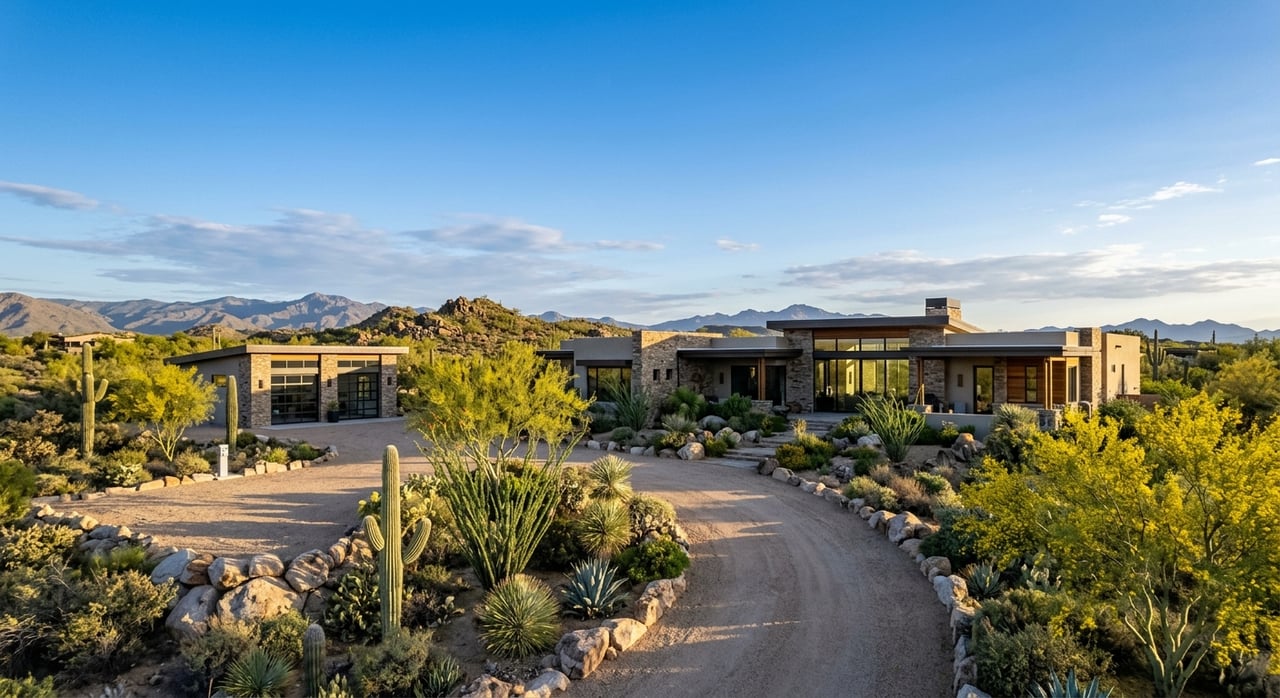
An in-town property may make sense if your top priority is quick access to arenas, errands, and utility service. A rural parcel may fit better if you need more room for trailer storage, horse turnout, tack areas, or guest parking during the season.
Neither option is automatically better. The right choice depends on how you actually use the property during roping months and how much setup you want to manage when you are away.
Choose the Right Property Type
Wickenburg’s housing stock leans heavily toward detached single-family homes. According to the Town’s 2022 Housing Needs Assessment, only 8.5% of units were apartments or multifamily, and 13.9% of units were vacant, with many of those used seasonally or recreationally.
For a seasonal roper, that can be a good fit because detached homes and acreage tend to offer more flexibility for horse use, parking, and storage. Still, the right property is not just about square footage. It is also about land-use fit.
Detached home, casita, or small ranch?
If you want a simple lock-and-leave setup, a detached home may be enough, especially if your horse setup is off-site. If you want guest space or room for seasonal help or family, an accessory dwelling unit may be part of your search.
If horses, trailers, and on-site functionality are central to the purchase, a small ranch parcel may be the better answer. In Wickenburg’s 2025 General Plan, the Rural Agribusiness category supports detached single-family homes, accessory dwelling units, and agrarian uses such as equine training, equine therapy, team roping competitions, dude ranches, ranch resorts, and animal husbandry on lots greater than five acres.
That means a casita or ranch-style setup is not just a design question. It starts with whether the parcel and land-use framework support what you want to do.
Check Water and Wastewater Early
In rural property searches, water and wastewater should move to the top of your checklist fast. Wickenburg and the Upper Hassayampa Basin rely on groundwater, and the Arizona Department of Water Resources identifies groundwater as the main source of supply in the basin. The Town also says its water supply comes from the upper Hassayampa Basin Aquifer.
For you as a buyer, the key question is simple: is the property on town utilities, or does it rely on a private well and on-site wastewater system? The answer affects day-to-day use, maintenance planning, and your comfort level with seasonal ownership.
Why this matters for seasonal owners
If you are only in town part of the year, you want clarity before closing. A property connected to town utilities may offer one ownership experience, while a rural parcel with a private well and septic system may require a different level of monitoring and maintenance.
If the property uses septic and you are buying in Maricopa County, there is also a transfer requirement to know. The county requires a qualified septic inspection within six months before transfer and a Notice of Transfer within 15 calendar days after closing.
Plan for Trailers, Tack, and Turnout
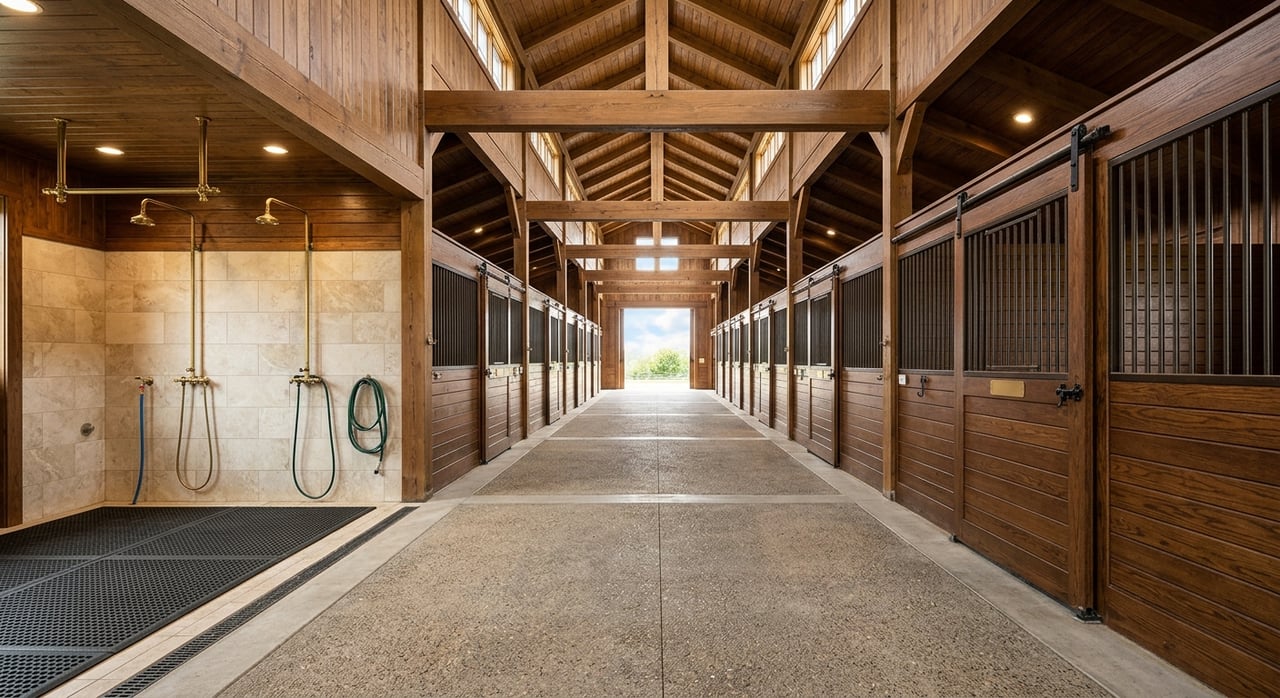
A property can look ideal online and still fall short once you think through how you will actually use it during roping season. Trailer parking, backing space, tack storage, hay delivery, and guest vehicle flow all deserve attention before you buy.
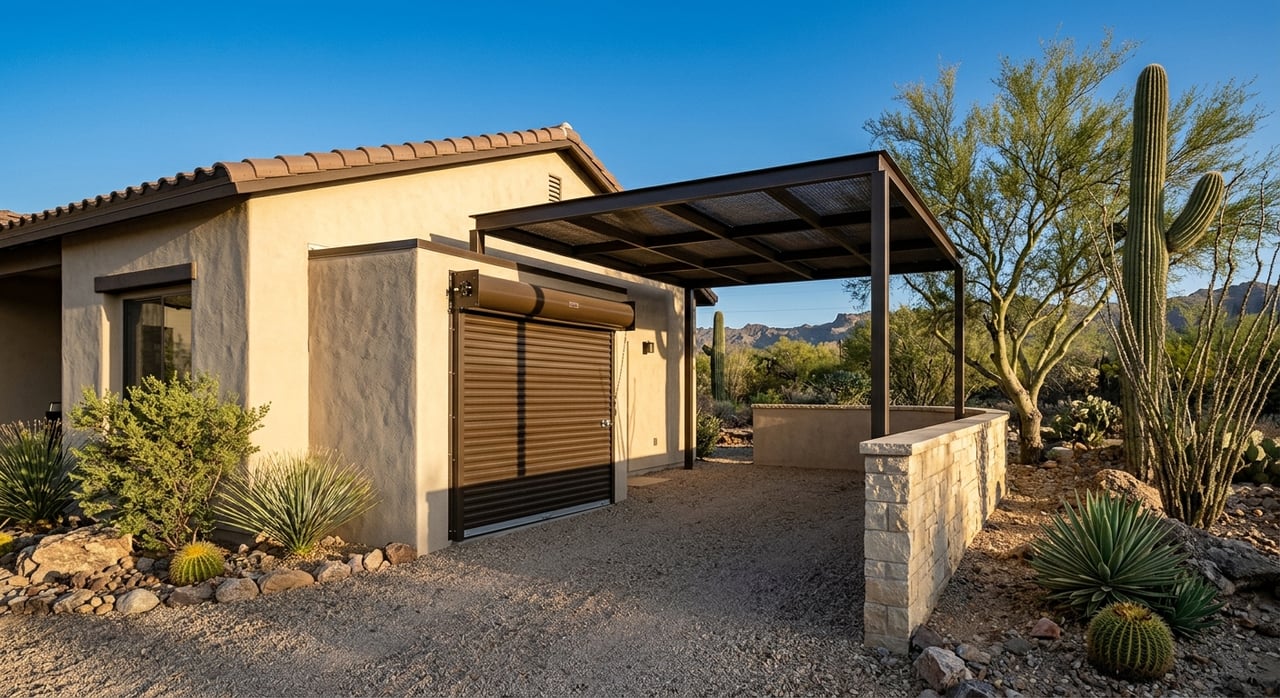
This is especially important in town, where lot layout may matter just as much as lot size. Wickenburg requires permits for items such as garages, storage sheds, awnings, carports, vehicle shade structures, retaining walls over 18 inches, fences, and grading.
The Town’s permit process also requires a site or plot plan showing parcel lines, structure location, and drainage and water-retention details. Because the municipal code defines vehicles to include horse trailers and travel trailers, trailer parking and maneuvering space should be treated as a pre-closing site-planning issue, not an afterthought.
Questions to ask before you buy
- Where will you park and turn a horse trailer comfortably?
- Is there enough space for tack, hay, and seasonal gear?
- Can guests park without blocking trailer access?
- Will you need a new shed, shade structure, fence, or grading work?
- If so, what will the permitting path likely involve?
Know the Basics of Horse-Property Compliance
If you plan to keep horses on the property, routine upkeep matters. Wickenburg’s municipal code requires animals to be kept from roaming at large.
The code also addresses manure handling. It prohibits dumping manure in washes, streets, vacant lots, or on adjacent property, and in residential and commercial zones, manure or droppings must be removed from pens and stables at least twice weekly and removed from the property at least weekly.
These are not small details for a part-time owner. If you are away for stretches of time, you need a care and cleanup plan that keeps the property functional and compliant.
Prepare for Part-Year Ownership
Owning in Wickenburg for only part of the year takes more than locking the door and heading out. Your plan should cover utilities, security, maintenance, and basic property checks before you leave.
The Town offers electric service in some areas along with water, sewer, and sanitation. It also notes that new utility service can take up to two business days to activate, while stop-service requests must be submitted at least two business days before the requested termination date.
Build a lock-and-leave checklist
A practical part-year ownership plan may include:
- Utility start and stop timing
- Regular exterior checks
- Weed and litter control
- Basic maintenance for gates, fencing, and structures
- A plan for vacant-home insurance review
- Alarm permit setup and local contacts
Wickenburg’s code-compliance page lists weeds, garbage, broken-down vehicles, abandoned properties, building without permits, and nuisance animals as common violations. The municipal code also says a vacant structure that is not secured against entry is unsafe.
For alarm systems, Wickenburg requires a valid alarm permit, asks for two contacts, and recommends a local alarm responder. The Town notes response times of 15 minutes during business hours and 25 minutes otherwise, which makes local support especially important if you are not in town.
Insurance deserves a separate review as well. Vacant and second homes may be treated differently by insurers, and some policies do not cover vacant homes the same way they cover occupied primary residences.
Think Ahead if You May Rent It Out
Some seasonal owners want the option to rent the property when they are not using it. If that is part of your plan, confirm the local rules before you buy so you do not build your ownership strategy on assumptions.
Wickenburg says that effective July 1, 2026, a Vacation Rental Permit is required for rentals of less than 30 days, and the owner must already have an Arizona Department of Revenue TPT license. If short-term use is part of your financial plan, that should be part of your due diligence from the start.
Do Not Overlook Flood and Wildfire Planning
Hazard planning matters even more when you are not on site year-round. Wickenburg’s hazard-mitigation materials emphasize advance planning for floods and wildfires, which makes location, access, and property readiness important parts of the buying decision.
That does not mean every property carries the same risk profile. It does mean seasonal owners should think beyond the house itself and consider how they will monitor and protect the property when they are away.
What a Smart Wickenburg Search Looks Like
For a seasonal roper, a strong property search usually starts with function, not cosmetics. The best fit often comes down to five things: arena access, land-use fit, utility setup, trailer logistics, and your plan for part-time ownership.
If you get those pieces right, the property can support the lifestyle that brought you to Wickenburg in the first place. If you skip them, even a good-looking home can become a frustrating setup fast.
Buying horse property or acreage in a market like Wickenburg calls for practical evaluation and local knowledge. If you want help sorting through zoning fit, water and septic questions, horse-use layout, or seasonal ownership concerns, Clinton Miller offers discreet, knowledgeable guidance tailored to equestrian and acreage buyers.
FAQs
How close should you be to a Wickenburg roping arena?
- The right distance depends on where you rope most often and whether you value quick in-town access or more rural space for horses, trailers, and guest parking.
What property type fits a seasonal roper in Wickenburg?
- Many seasonal buyers look at detached single-family homes, while others need a parcel that can support an accessory dwelling unit or horse-oriented use, depending on the parcel and land-use category.
What should you check about trailers on a Wickenburg property?
- You should evaluate parking, backing, and maneuvering space before closing, especially since local permit rules and site-planning requirements can affect sheds, shade structures, fencing, grading, and trailer use.
What utilities matter for part-time ownership in Wickenburg?
- You should confirm whether the property is on town utilities or a private well and on-site wastewater system, since that can affect maintenance, monitoring, and seasonal use planning.
What upkeep matters if your Wickenburg home sits vacant part of the year?
- You should have a plan for exterior checks, weed and litter control, securing the structure, alarm contacts, utility timing, and insurance review before leaving for the season.
What are the short-term rental rules for a seasonal property in Wickenburg?
- If you plan to rent the property for less than 30 days, Wickenburg says a Vacation Rental Permit will be required effective July 1, 2026, and the owner must already have an Arizona Department of Revenue TPT license.